
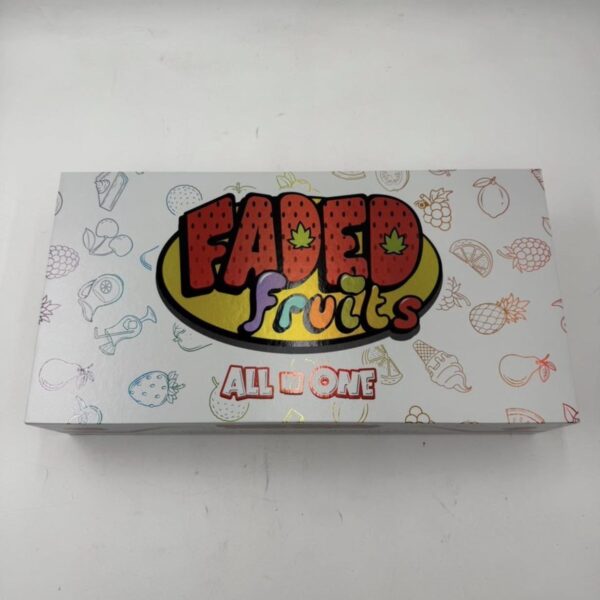
Hoggin Dabz Live Resin Concentrates
Product Overview
live resin hoggin-dabz concentrates are cannabis concentrates identified in current online listings as live-resin products. Available descriptions associate the line with terpene-rich extracts and multiple flavor or strain variants.
The term “live resin” generally refers to cannabis extract made from freshly harvested plant material that is preserved in a frozen state before extraction. This approach is intended to retain volatile compounds that can be reduced during conventional drying and curing.
Exact product characteristics should nevertheless be verified from the specific package. Online listings can contain incomplete or inconsistent information, particularly concerning potency, weight, flavor availability, laboratory testing, and production details.
Understanding Live Resin
Live resin is a category of cannabis concentrate rather than a single standardized formulation.
Fresh cannabis is typically frozen soon after harvest, helping preserve aromatic compounds that may otherwise be lost during drying and curing. The resulting extract can have a more pronounced terpene profile than some concentrates produced from dried starting material.
Texture can vary considerably. Live resin may appear as sauce, sugar, badder, or another semi-solid consistency depending on processing and storage.
Consequently, appearance alone should not be used to determine whether a concentrate is authentic or laboratory-tested.
Hoggin Dabz Product Identification
A product record should use the exact brand and product name shown on the package.
Current online references identify Hoggin Dabz products as live resin concentrates, while some listings describe additional forms such as live resin badder.
Because different products can have different weights and formulations, the following information should be recorded separately:
- Product name
- Product type
- Net weight
- Flavor or strain
- Cannabinoid profile
- Batch or lot number
- Laboratory information
- Manufacturer information
- Packaging version
This structure makes it easier to distinguish one product from another.
Flavor and Strain Information
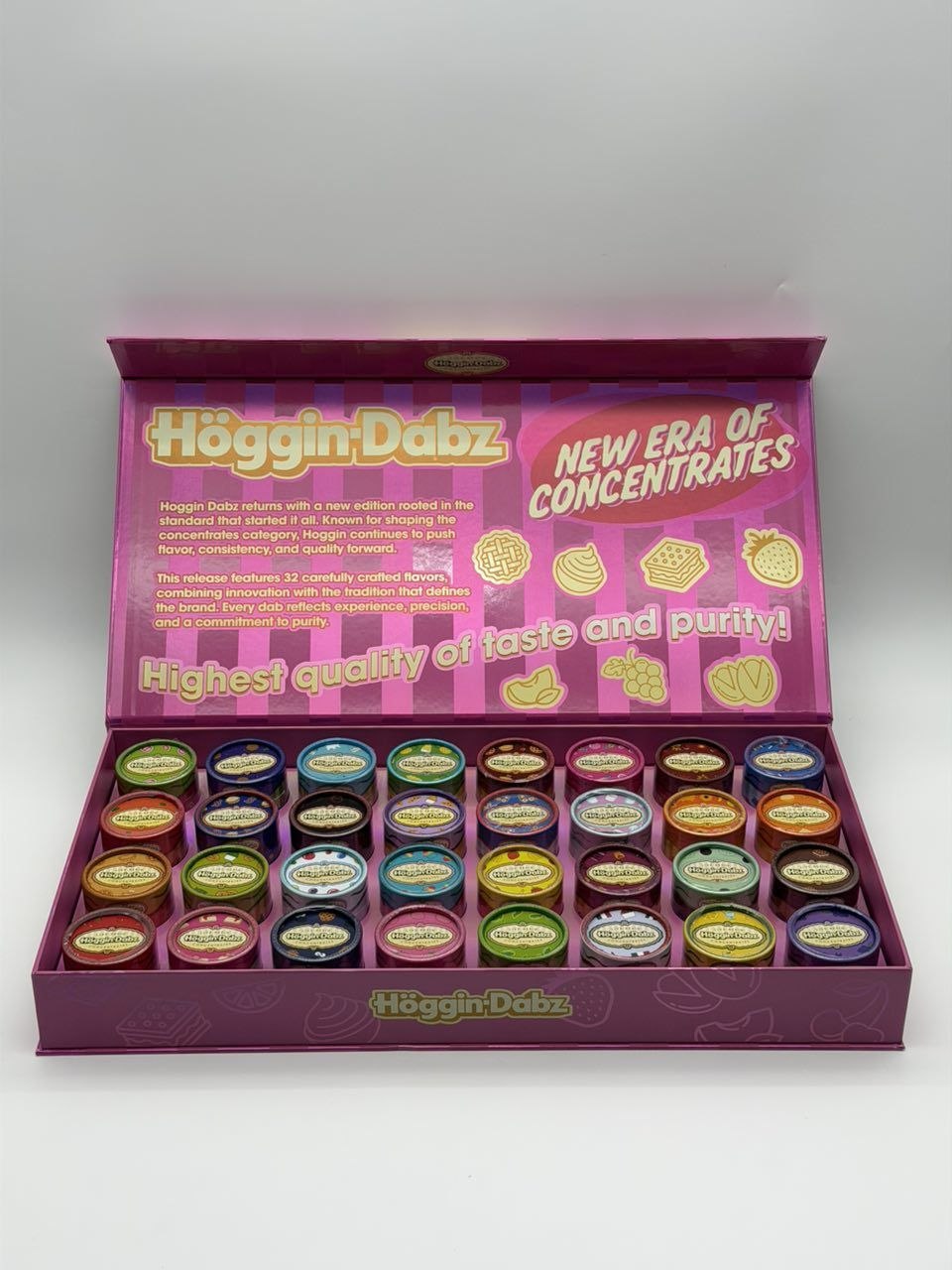
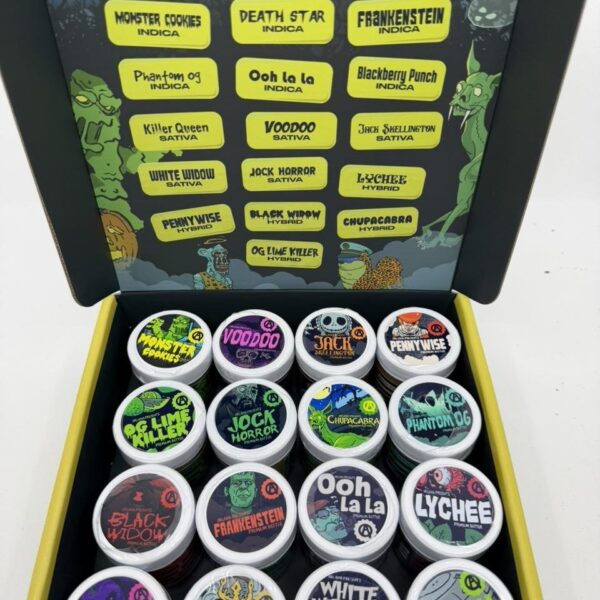
Hoggin Dabz listings have been associated with a broad selection of flavor or strain names. Some current third-party listings describe individual varieties and mixed-flavor collections.
However, the exact available lineup should be taken from the current package.
A flavor name should not be treated as an ingredient list. Likewise, a strain name does not establish cannabinoid concentration.
When several variants are sold, each variant should have its own product record.
Concentrate Appearance
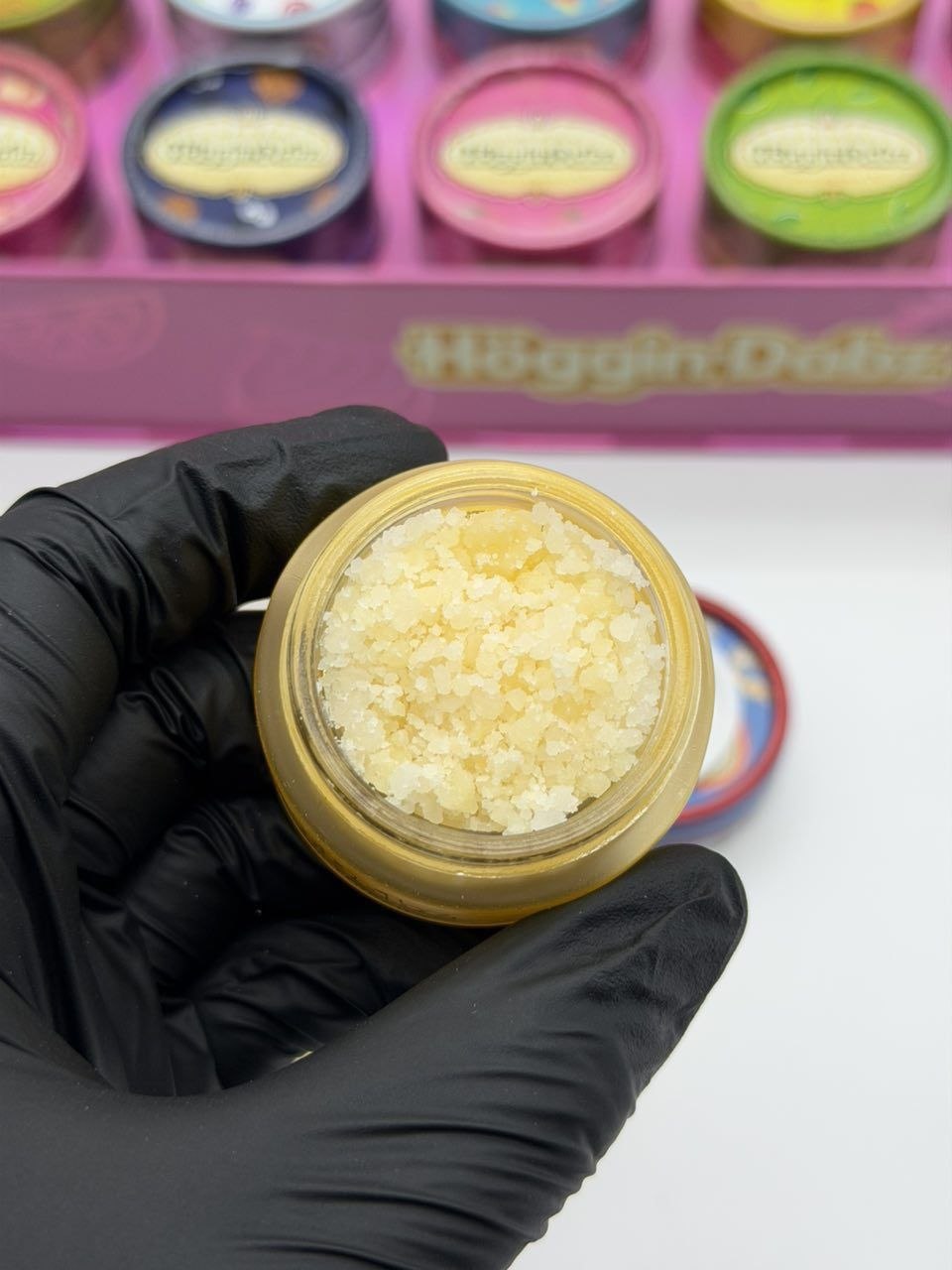
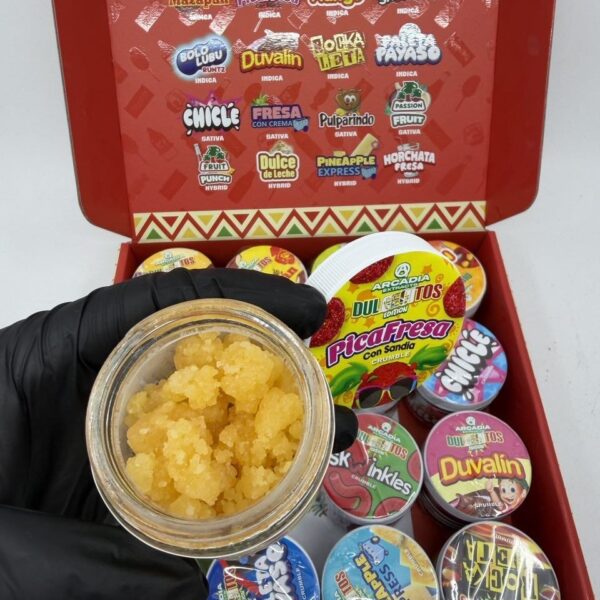
Live resin concentrates can have colors ranging from pale cream and yellow through gold and amber.
Texture can also vary. Depending on processing, a product may appear granular, creamy, wet, crystalline, or sauce-like.
These characteristics can change with temperature, age, handling, and storage.
For that reason, appearance can be useful for describing a product but should not be presented as laboratory evidence.
Terpene Information
Terpenes are aromatic compounds found in cannabis and many other plants.
Live-resin extraction is associated with preserving a broader selection of the plant’s volatile compounds than some traditional extraction approaches.
The actual terpene profile of a particular Hoggin Dabz product should be established through appropriate product documentation or laboratory testing.
A flavor description alone cannot establish the concentration of individual terpenes.
Cannabinoid Profile
Cannabinoid information should be documented separately from the product’s name and texture.
Depending on the formulation, a cannabis concentrate may contain THC, THCA, CBD, or other cannabinoids.
The exact concentrations should be obtained from the current product label or a batch-specific certificate of analysis.
Third-party listings sometimes publish potency figures, but those numbers should not be treated as applicable to every Hoggin Dabz product or batch without verification.
Laboratory Testing
A certificate of analysis can provide useful information about a particular cannabis concentrate.
When laboratory documentation is available, it should correspond to the product’s batch or lot number.
This is especially important when a brand offers numerous flavors or strain names.
A test result from one product should not automatically be applied to another.
Retailers should also avoid presenting unverified laboratory claims as established facts.
Batch Traceability
Batch numbers provide an important connection between physical inventory and production documentation.
A retailer can record the batch number when receiving a product and use it to locate the appropriate laboratory documentation.
If the batch changes, the product listing should be reviewed.
This process can help prevent outdated potency information or laboratory results from remaining attached to newer inventory.
Weight and Net Quantity
Net quantity should be taken directly from the package.
Some online listings describe Hoggin Dabz products in different package sizes, including individual concentrate quantities and larger bulk formats.
Because package sizes can vary, a general description should not assign a single weight to every Hoggin Dabz product.
The physical package should be treated as the authoritative source for net quantity.
Packaging
Packaging can provide important identification information.
Depending on the market, it may include:
- Brand name
- Product name
- Net weight
- Flavor or strain
- Cannabinoid concentration
- Ingredients
- Batch number
- Manufacturer information
- Warnings
- Testing information
- Regulatory markings
The exact requirements depend on the jurisdiction in which the product is sold.
Authenticity
Authenticity cannot be established from appearance alone.
Packaging, batch identification, manufacturer information, purchase source, regulatory labeling, and laboratory documentation can collectively provide stronger evidence.
This is particularly important for cannabis concentrates because similarly designed packaging can appear across unrelated products.
Consumers should obtain regulated cannabis products through authorized channels where required.
Product Photography
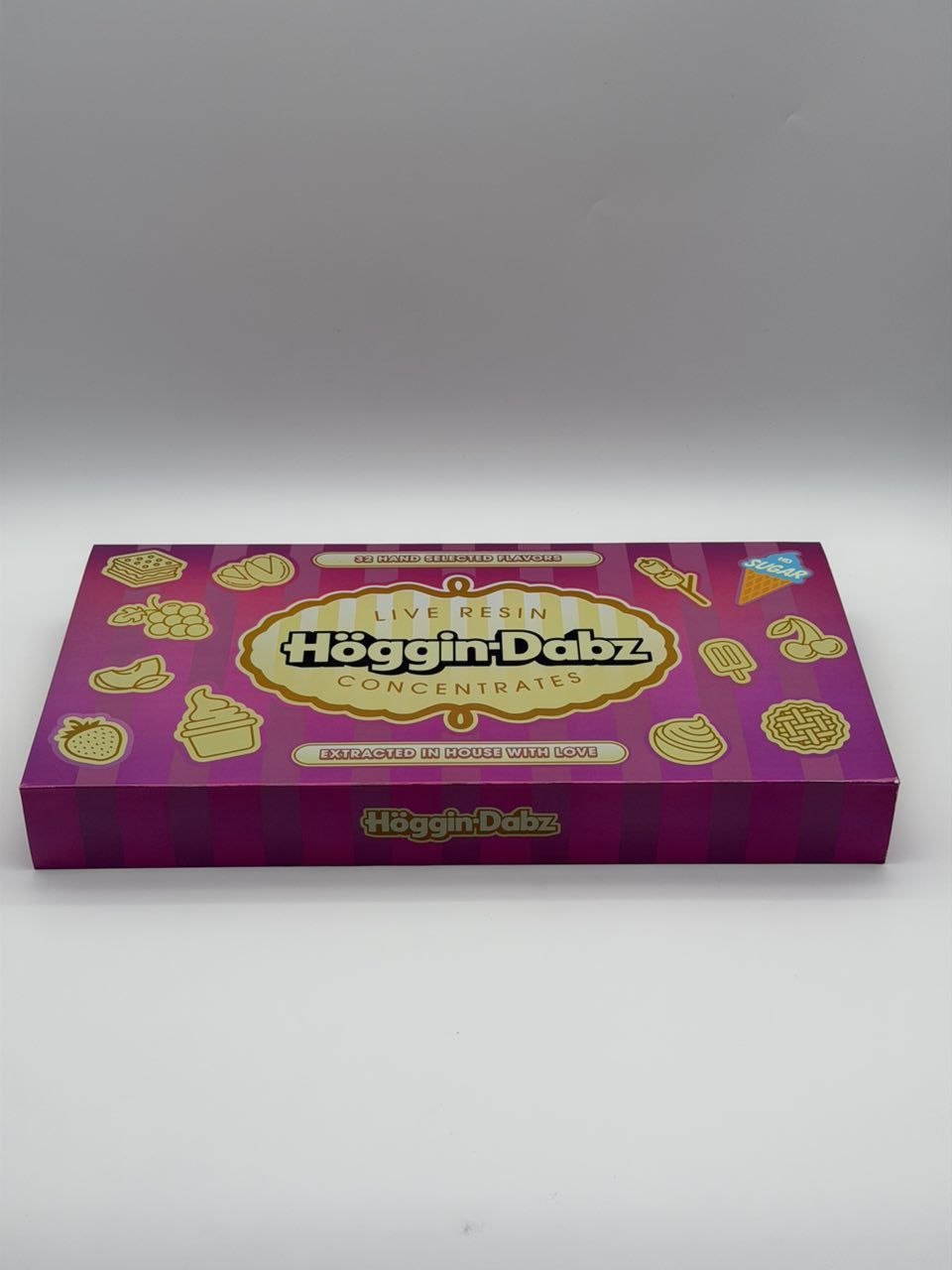
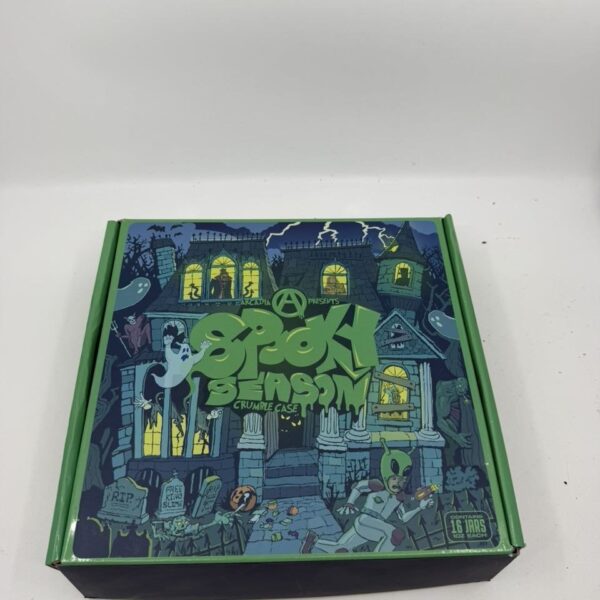
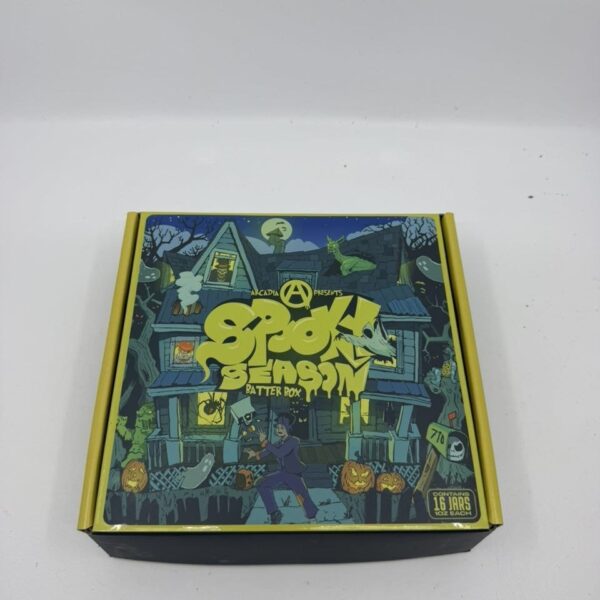
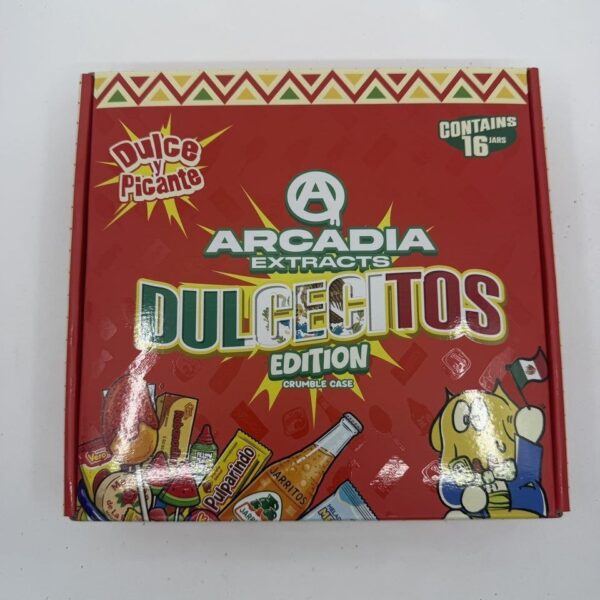
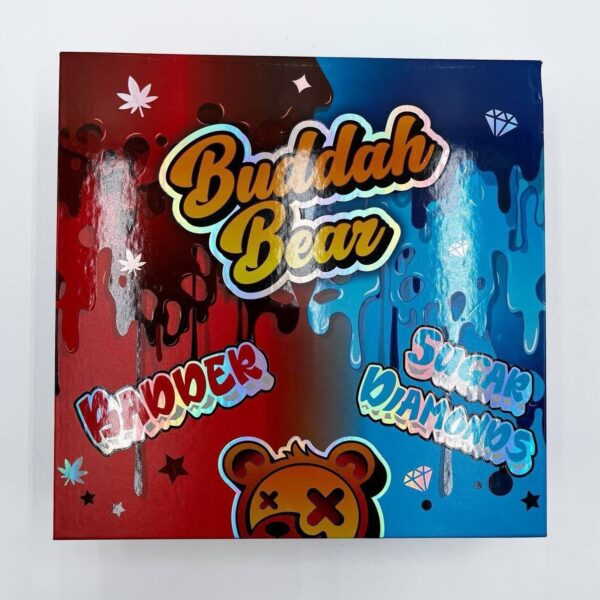
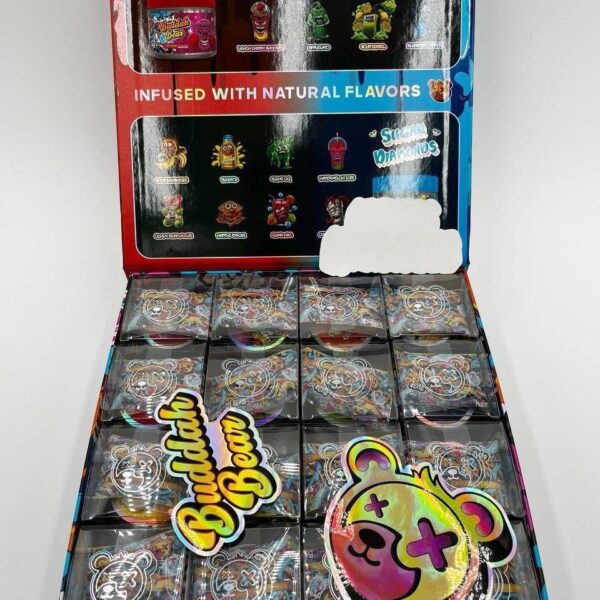
Photographs are useful for showing packaging and general appearance.
However, photographs cannot establish potency, purity, laboratory testing, or authenticity.
Lighting and camera settings can alter the apparent color of concentrates.
Temperature can also change the physical appearance of a concentrate.
Therefore, photographs should be treated as visual references rather than technical documentation.
Storage
Cannabis concentrates should be stored according to the manufacturer’s recommendations.
Exposure to excessive heat, direct sunlight, moisture, and air can affect product characteristics over time.
The original container should generally remain closed when the product is not being handled.
Storage should also prevent access by children and pets.
Temperature and Texture
Temperature can influence the physical consistency of concentrates.
A product that appears firm in a cool environment may become softer in warmer conditions.
Similarly, a sauce-like material can become thicker when cooled.
These changes do not necessarily indicate that the product has been altered, although unusual changes should be evaluated against manufacturer guidance.
Handling
Concentrates should be handled carefully to minimize contamination.
Clean handling practices can help preserve the product’s condition.
Consumers should follow applicable product instructions and should not modify the formulation.
If a package appears damaged, contaminated, or tampered with, the product should be referred to the retailer or manufacturer for clarification.
Product Documentation
A complete catalog entry can contain several distinct information fields.
For example:
Brand: Hoggin Dabz
Product category: Cannabis concentrate
Extract type: Live resin, where confirmed
Variant: Package-specific
Net quantity: Package-specific
Cannabinoid profile: Package or laboratory documentation
Batch: Package-specific
Testing: Batch-specific documentation where available
This format keeps verified facts separate from general descriptions.
Managing Multiple Variants
When a product line contains multiple flavors or strains, each should be documented separately.
This prevents a cannabinoid percentage, laboratory result, or flavor description from being accidentally transferred from one product to another.
Retailers should also review incoming inventory because packaging and production details can change.
Managing Production Changes
Product information can change between manufacturing batches.
Potential changes include: live resin hoggin-dabz concentrates live resin hoggin-dabz concentrates live resin hoggin-dabz concentrates live resin hoggin-dabz concentrates live resin hoggin-dabz concentrates live resin hoggin-dabz concentrates live resin hoggin-dabz concentrates live resin hoggin-dabz concentrates live resin hoggin-dabz concentrates live resin hoggin-dabz concentrates live resin hoggin-dabz concentrates.
- Packaging
- Flavor availability
- Hardware or container design
- Net quantity
- Cannabinoid concentrations
- Laboratory results
- Regulatory labeling
A product page should therefore be reviewed whenever new inventory is received.
Responsible Product Descriptions
A factual product description should distinguish verified specifications from general cannabis information.
For example, “live resin” identifies an extraction category.
A stated weight identifies net quantity.
A laboratory result can provide cannabinoid information.
A flavor name identifies a variant.
None of these should be expanded into unsupported claims about guaranteed effects or performance.
Safety Information
Cannabis products containing intoxicating cannabinoids can affect judgment, coordination, attention, and reaction time.
Individual responses can vary.
Consumers should avoid driving or operating machinery while impaired.
Cannabis products should only be purchased, possessed, transported, and used where legally permitted.
Applicable age requirements should also be followed.
Children and Pets
Cannabis concentrates should be kept securely away from children and pets.
The original packaging should be retained where practical because it can contain important warnings and product-identification information.
Secure storage also reduces the risk of accidental exposure.
Transportation
Cannabis transportation laws vary between jurisdictions.
Consumers should verify the applicable rules before transporting cannabis concentrates.
Additional restrictions can apply when crossing state, provincial, or national borders.
Legal possession in one location does not automatically authorize transportation into another.
Disposal
Empty concentrate containers and packaging should be disposed of according to applicable local requirements.
Where cannabis packaging is subject to specific disposal rules, those rules should be followed.
Consumers should not leave cannabis residue accessible to children or animals.
live resin hoggin-dabz concentrates live resin hoggin-dabz concentrates live resin hoggin-dabz concentrates live resin hoggin-dabz concentrates live resin hoggin-dabz concentrates live resin hoggin-dabz concentrates live resin hoggin-dabz concentrates live resin hoggin-dabz concentrates live resin hoggin-dabz concentrates.
Frequently Asked Questions
What is Hoggin Dabz?
Hoggin Dabz is a cannabis concentrate brand associated with live resin products in current online listings.
What does live resin mean?
Live resin generally refers to cannabis extract produced from freshly harvested cannabis that has been preserved in a frozen state before extraction.
Does live resin always have the same texture?
No. Live resin can have different consistencies, including sauce, sugar, badder, and other forms.
Does appearance prove quality?
No. Appearance can provide descriptive information but cannot independently establish potency, purity, or laboratory quality.
Does a flavor name identify the ingredients?
No. Ingredient information should come from the product label or reliable manufacturer documentation.
Does every Hoggin Dabz product have the same potency?
Not necessarily. Potency can vary by product and batch.
How should potency be verified?
Use the current package and, where available, batch-specific laboratory documentation.
Why is the batch number important?
It helps connect the physical product with production and testing information.
Can third-party listings be used as the final specification?
They can provide reference information, but the current package and applicable documentation should take priority.
How should concentrates be stored?
Follow the manufacturer’s instructions and protect the product from excessive heat, direct sunlight, moisture, and unauthorized access.
Detailed Product Information
What Makes Live Resin Distinct
Live resin is generally distinguished by the way the cannabis plant material is handled before extraction. Instead of allowing harvested cannabis to undergo the conventional drying and curing process before extraction, fresh plant material is typically preserved at low temperatures.
This preservation approach is intended to retain volatile compounds that can change during drying and curing. As a result, live-resin concentrates can have aromatic and flavor characteristics that differ from concentrates produced from traditionally dried cannabis.
The finished material can vary considerably in appearance and consistency. Depending on the extraction and post-processing methods, live resin may have a sticky, creamy, granular, or sauce-like texture.
These characteristics should be regarded as descriptive rather than definitive indicators of quality.
Concentrate Consistency
The physical consistency of a cannabis concentrate can change over time.
Temperature is one important factor. Warmer conditions can make some concentrates softer or more fluid, while cooler conditions can make them firmer.
Handling can also affect consistency.
Consequently, a concentrate may look different from photographs displayed on a product page without necessarily indicating a change in product identity.
A product description should therefore avoid promising a particular texture unless the manufacturer specifically identifies it.
Color Characteristics
Live-resin concentrates can display a range of colors, including pale yellow, golden, amber, or cream-like shades.
Color can be influenced by the source material, extraction process, storage conditions, and exposure to environmental factors.
Photography can also change the apparent color of a product.
For that reason, color should be used only as a general descriptive characteristic. It should not be used to determine potency, purity, freshness, or authenticity.
Terpene Preservation
Terpenes contribute to the aroma and flavor characteristics associated with cannabis.
Because live resin uses freshly harvested material that is generally preserved before extraction, the process is intended to retain volatile compounds that may otherwise be reduced during conventional drying and curing.
The actual terpene composition remains product-specific.
If laboratory testing provides terpene information, those results should be associated with the corresponding batch.
A strain or flavor name alone does not establish the concentration of individual terpenes.
Strain and Cultivar Information
Individual concentrate variants may be identified using strain or cultivar names.
These names can help distinguish one product from another, but they should not be treated as complete chemical profiles.
Two products with related names can have different cannabinoid and terpene compositions.
For accurate documentation, the exact name printed on the package should be retained.
Product Weight
Net weight should always be obtained from the physical packaging.
Different concentrate products can be sold in different quantities, and online listings may contain information for several package sizes.
The stated weight should therefore be recorded as a product-specific field.
The weight of the concentrate should also be distinguished from the total weight of the container and packaging.
Cannabinoid Testing
Cannabinoid testing can provide numerical information about a specific concentrate.
Depending on the formulation, laboratory documentation may identify THC, THCA, CBD, and other cannabinoids.
These figures should be presented exactly as documented.
A product’s strain name, flavor, color, or stated weight cannot be used to calculate its cannabinoid concentration.
Batch-Specific Results
Laboratory results are most useful when they can be connected to the physical product through a batch or lot number.
If a retailer receives several batches of the same concentrate, each batch should be recorded separately when applicable.
This practice can prevent laboratory information from an earlier production run from being mistakenly associated with later inventory.
Packaging Details
The package can contain several pieces of information that are useful for identification.
These can include: live resin hoggin-dabz concentrates live resin hoggin-dabz concentrates live resin hoggin-dabz concentrates live resin hoggin-dabz concentrates live resin hoggin-dabz concentrates live resin hoggin-dabz concentrates live resin hoggin-dabz concentrates live resin hoggin-dabz concentrates live resin hoggin-dabz concentrates live resin hoggin-dabz concentrates live resin hoggin-dabz concentrates.
- Brand
- Product name
- Product category
- Net weight
- Variant
- Cannabinoid information
- Ingredients
- Batch number
- Testing information
- Manufacturer information
- Warnings
- Regulatory information
The exact requirements depend on the jurisdiction where the product is legally sold.
Packaging Changes
Packaging can change without necessarily indicating that the product itself is different.
A manufacturer may update artwork, typography, warning information, regulatory labeling, or other packaging elements.
Older product photographs can therefore differ from newer inventory.
When documenting a product, the current physical packaging should take priority over outdated photographs.
Authenticity Considerations
Authenticity should be evaluated using multiple indicators.
A product should not be considered genuine solely because its packaging resembles an image found online.
Useful information can include the purchase source, packaging details, batch information, manufacturer information, applicable regulatory markings, and laboratory documentation.
Where an official verification method is provided, it should be used according to the manufacturer’s instructions.
Retail Inventory Records
Retailers can improve product accuracy by maintaining structured inventory records.
A useful record can include the product’s exact name, variant, weight, batch number, laboratory information, date received, and packaging version.
When a new shipment arrives, these fields can be reviewed before the product is added to an online catalog.
This process helps reduce errors when multiple concentrate varieties are stocked.
Product Description Accuracy
A strong catalog description should distinguish between factual specifications and general educational information.
For example, a verified net weight can be presented as a product specification.
A confirmed laboratory result can be presented as batch-specific testing information.
A general explanation of live resin can be included as educational context.
By contrast, unsupported claims about potency, effects, quality, or performance should not be presented as established facts.
Storage Considerations
The product should be stored according to the manufacturer’s instructions.
Cannabis concentrates can be affected by environmental conditions, including temperature, light, air exposure, and moisture.
The original container should remain properly closed when the product is not being handled.
Storage should also prevent unauthorized access.
Light Exposure
Direct light can affect cannabis products over time.
For this reason, concentrates should be protected from unnecessary exposure to direct sunlight.
The manufacturer’s recommended storage conditions should be followed where specific guidance is provided.
Temperature Management
Temperature can influence the physical consistency of concentrates.
A cooler environment can make certain products more rigid, while warmer conditions can produce a softer consistency.
Sudden environmental changes can also affect handling characteristics.
Consumers should follow the manufacturer’s storage recommendations rather than attempting to establish their own storage conditions based solely on appearance.
Moisture Protection
Concentrates and their packaging should be protected from unnecessary moisture.
Water exposure can affect packaging and may create problems for products that contain electronic or other sensitive components, although the concentrate itself is not an electronic product.
The container should remain appropriately sealed when not in use.
Container Integrity
The container should be checked for cracks, broken seals, leakage, or other visible damage.
If packaging appears compromised, the product should not be represented as intact without further evaluation.
Retailers should document damaged inventory according to their internal procedures.
Product Handling
Concentrates should be handled in a manner consistent with the manufacturer’s instructions.
The product should not be deliberately contaminated with foreign materials.
Consumers should avoid modifying the formulation or transferring it to an unsuitable container.
Any unusual change in appearance, packaging condition, or product integrity should be referred to the retailer or manufacturer.
Responsible Product Documentation
Product information should remain factual and specific.
Descriptions should avoid guaranteeing particular experiences because individual responses to cannabis products can vary.
A product page is most useful when it provides verifiable information that allows consumers to identify what they are considering.
This includes capacity, variant, formulation information, cannabinoid documentation, and applicable warnings.
Legal Considerations
Cannabis laws vary significantly between jurisdictions.
Requirements can apply to age, purchase, possession, labeling, packaging, transportation, and permitted product types.
Retailers should ensure that product information complies with the laws applicable to their market.
Consumers should verify local requirements before purchasing, possessing, transporting, or using cannabis products.
Transportation Rules
Cannabis transportation rules can differ between jurisdictions.
Crossing state, provincial, or national borders can create additional legal restrictions.
Consumers should check the applicable laws before transporting cannabis concentrates.
Legal possession in one location does not necessarily authorize transportation into another jurisdiction.
Children and Pets
Cannabis concentrates should be kept securely away from children and pets.
The original packaging should be retained when practical because it can contain important identification and warning information.
Secure storage can also reduce the likelihood of accidental exposure.
Impairment Awareness
Cannabis products containing intoxicating cannabinoids can affect judgment, attention, coordination, and reaction time.
Individual responses can vary.
Consumers should avoid driving or operating machinery while impaired.
Product descriptions should communicate this information without making assumptions about how an individual consumer will respond.
Product Listing Template
For retailers seeking a consistent catalog format, the following structure can be used: live resin hoggin-dabz concentrates live resin hoggin-dabz concentrates live resin hoggin-dabz concentrates live resin hoggin-dabz concentrates live resin hoggin-dabz concentrates live resin hoggin-dabz concentrates live resin hoggin-dabz concentrates live resin hoggin-dabz concentrates live resin hoggin-dabz concentrates.
Brand: Hoggin Dabz
Product: Live Resin Concentrate
Variant: Verify from package
Net Weight: Verify from package
Extract Type: Live resin, where confirmed
Cannabinoid Profile: Verify from label or batch documentation
Terpene Information: Verify from applicable laboratory documentation
Batch/Lot: Package-specific
Ingredients: Package-specific
Testing: Batch-specific where available
Storage: Follow manufacturer instructions
This format allows product information to remain organized without making assumptions about individual batches.
Frequently Asked Questions
Is live resin the same as every other cannabis concentrate?
No. Live resin is a particular category of cannabis extract associated with freshly harvested material that is preserved before extraction.
Can live resin have different textures?
Yes. Processing, temperature, and formulation can influence consistency.
Does color determine quality?
No. Color alone cannot establish potency, purity, freshness, or authenticity.
Does a strain name establish cannabinoid content?
No. Cannabinoid content should be verified through labeling or laboratory documentation.
Can laboratory results vary between batches?
Yes. Batch-specific testing should be consulted where available.
Why should the package weight be verified?
Because different variants and production runs can have different stated quantities.
Can an old product photograph be used to verify packaging?
Not reliably. Packaging can change over time.
What is the best way to document a concentrate?
Record the exact product name, variant, net weight, cannabinoid information, batch number, and applicable laboratory documentation.
Closing Information
Hoggin Dabz Live Resin Concentrates can be documented as cannabis concentrates associated with live-resin extraction. The live-resin designation relates to the handling of cannabis material before extraction and is generally associated with preservation of volatile compounds.
However, individual products can differ substantially in weight, cannabinoid profile, terpene composition, flavor, texture, packaging, and laboratory results.
For that reason, each product should be documented independently.
The physical package should provide the starting point for product identification. Batch information can then be used to connect the product with applicable laboratory documentation.
Retailers should avoid transferring specifications between different variants unless the information has been independently confirmed.
Consumers should likewise consult the current packaging for product-specific details rather than relying solely on third-party descriptions.
Storage and handling should follow manufacturer instructions, and concentrates should be kept securely away from children and pets.
Because cannabis products containing intoxicating cannabinoids can affect judgment, coordination, attention, and reaction time, consumers should avoid driving or operating
Final Summary
Hoggin Dabz Live Resin Concentrates are identified in current online sources as cannabis concentrates associated with live-resin extraction and multiple flavor or strain variants.
The term “live resin” describes an extraction category generally associated with freshly harvested, frozen cannabis material and preservation of volatile aromatic compounds.
Exact product specifications should be established from the individual package. Net weight, cannabinoid concentration, flavor, ingredients, batch information, and laboratory results can vary between products and production runs.
A reliable product listing should therefore avoid applying one product’s specifications to the entire brand.
Batch-specific documentation is particularly useful when cannabinoid information is published. Laboratory results should correspond to the exact product and batch rather than being copied from an unrelated listing.
Appearance can also vary according to temperature, storage, age, and formulation. Color and texture can be described for identification purposes, but they should not be treated as proof of potency, purity, or authenticity.
Consumers should purchase cannabis products through authorized channels where required and should comply with applicable laws and age restrictions. Products containing intoxicating cannabinoids can affect judgment, attention, coordination, and reaction time, so driving or operating machinery while impaired should be avoided.





Reviews
There are no reviews yet.