
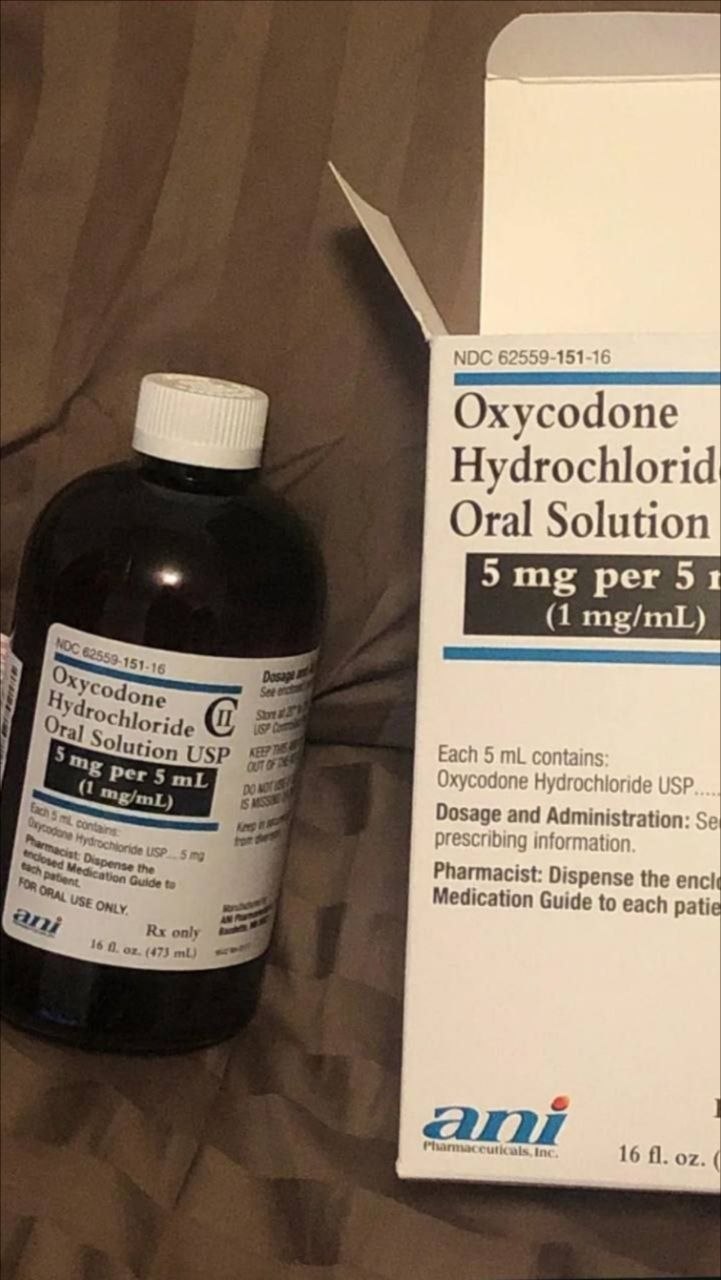
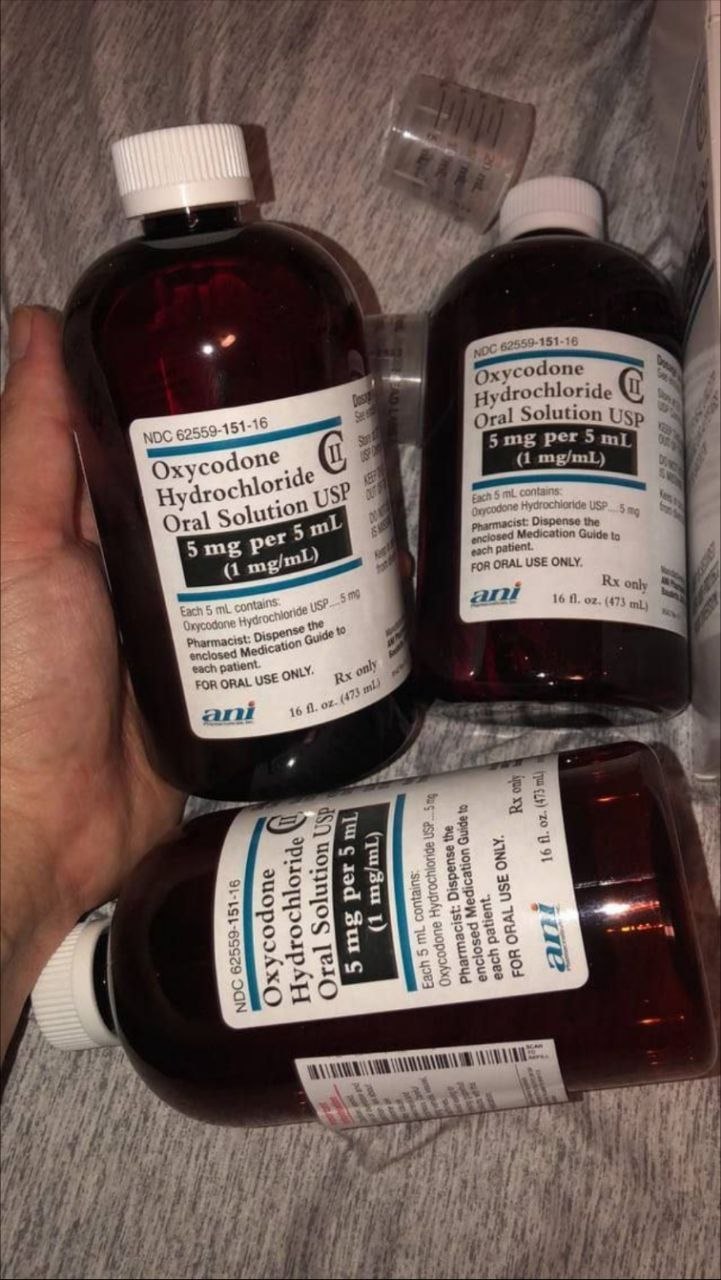

Oxycodone Hydrochloride Oral Solution 5 mg
oxycodone hydrochloride oral solution 5mg bottle is a prescription opioid medicine used to manage severe pain when treatment with an opioid is considered appropriate. It contains oxycodone hydrochloride, an opioid analgesic that acts on the central nervous system to reduce the perception of pain.
The “5 mg” designation refers to the labeled oxycodone hydrochloride strength and should always be interpreted together with the concentration stated on the bottle. Because oral solutions can be supplied in different concentrations, patients and caregivers should carefully check the complete pharmacy label before measuring or administering a dose.
Product Overview
Oxycodone hydrochloride oral solution is supplied as a liquid formulation intended for administration by mouth. A liquid formulation can be useful when a patient has difficulty swallowing conventional tablets or when a prescriber specifically chooses an oral solution.
Oxycodone is a potent opioid and can cause serious, potentially life-threatening respiratory depression. It also carries risks of misuse, abuse, addiction, overdose, and physical dependence.
For these reasons, the medication should be used only exactly as prescribed and should not be shared with another person.
Strength and Concentration
The strength printed on a medication package should not be confused with the volume of liquid contained in the bottle.
For an oral solution, the label may express the amount of oxycodone hydrochloride contained in a specified volume of liquid. Patients should read the complete concentration statement rather than relying only on a number printed prominently on the package.
This is particularly important when measuring liquid medication because different formulations can contain different amounts of oxycodone per milliliter.
Always use the measuring device supplied with the medication or a suitable oral dosing syringe. Household teaspoons and tablespoons are not reliable medication-measuring instruments.
Prescription Use
Oxycodone hydrochloride oral solution is intended for prescription use. The appropriate dose depends on factors such as the patient’s medical condition, previous opioid exposure, age, other medicines, and individual response.
Patients should follow the prescription and pharmacy instructions precisely.
The dose should not be increased, reduced, or taken more frequently unless the prescribing healthcare professional provides different instructions.
If pain remains uncontrolled, the appropriate response is to contact the prescriber rather than taking additional medication independently.
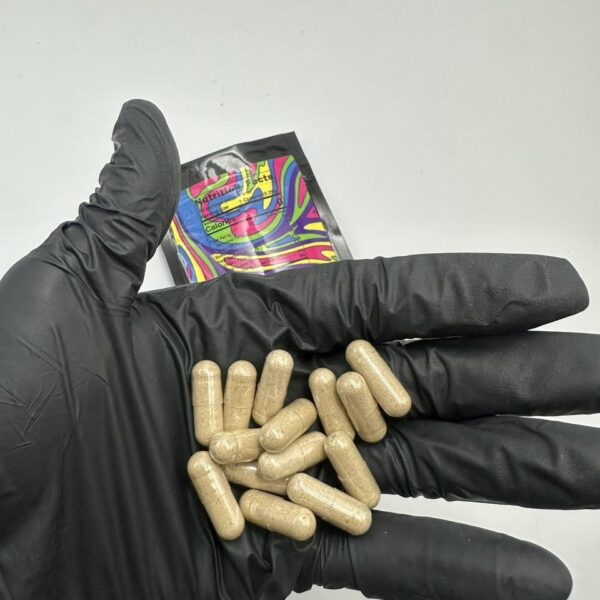
oxycodone hydrochloride oral solution 5mg bottle
How Oxycodone Works
Oxycodone belongs to the opioid class of medicines. It works by interacting with opioid receptors in the nervous system, altering how the body perceives and responds to pain.
Because opioids affect the central nervous system, they can also produce drowsiness and sedation.
The same properties that make oxycodone effective for pain can also create significant safety risks, particularly when the medicine is taken incorrectly or combined with other substances that depress the central nervous system.
Respiratory Depression
One of the most serious risks associated with oxycodone is respiratory depression.
This can cause breathing to become unusually slow, shallow, or difficult. The risk can be particularly significant when treatment is started, when the dose is increased, or when oxycodone is combined with other sedating substances.
Extreme sleepiness, difficulty waking, slow or abnormal breathing, or loss of consciousness can indicate a medical emergency.
Emergency medical assistance should be sought immediately if an opioid overdose is suspected.
Interaction With Alcohol and Sedatives
Oxycodone can interact dangerously with alcohol and other medicines or substances that cause sedation.
Combining opioids with alcohol, benzodiazepines, sedative medications, or other central nervous system depressants can increase the risk of profound sedation, respiratory depression, coma, and death.
Patients should tell their healthcare professional and pharmacist about all prescription medicines, over-the-counter products, and supplements they use.
Alcohol should be avoided unless a healthcare professional specifically advises otherwise.
Dependence and Addiction
Oxycodone can cause physical dependence and has the potential for misuse and addiction.
Physical dependence means that the body can adapt to repeated exposure to the medicine. Abruptly stopping treatment after prolonged use can result in withdrawal symptoms.
Addiction is a different condition involving compulsive use despite harmful consequences.
Patients should not stop long-term oxycodone treatment suddenly without medical guidance. A healthcare professional can determine whether the medication should be reduced gradually.
Common Side Effects
Oxycodone can cause side effects. Common effects may include:
-
Drowsiness
-
Dizziness
-
Nausea
-
Vomiting
-
Constipation
-
Headache
-
Itching
-
Dry mouth
Not everyone experiences the same effects.
Constipation can be particularly common with opioid medicines. Patients should discuss persistent or severe constipation with their healthcare professional.
Serious Side Effects
Serious adverse effects require prompt medical attention.
Potentially serious problems can include severe respiratory depression, extreme sedation, confusion, allergic reactions, low blood pressure, and loss of consciousness.
Older adults and people with certain medical conditions may have increased sensitivity to opioid effects.
Anyone experiencing difficulty breathing, inability to remain awake, severe confusion, or other concerning symptoms should seek emergency medical attention.
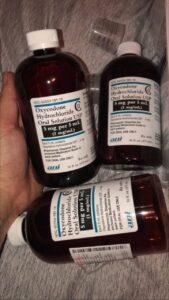
oxycodone hydrochloride oral solution 5mg bottle
Driving and Operating Machinery
Oxycodone can impair alertness, coordination, reaction time, and judgment.
Patients should not drive, operate machinery, or perform other potentially hazardous activities until they know how the medicine affects them and their healthcare professional has confirmed that such activities are appropriate.
The risk of impairment can increase when oxycodone is combined with alcohol or other sedating medicines.
Storage
Oxycodone should be stored securely and according to the instructions supplied with the specific product.
Because it is a controlled opioid medicine in many jurisdictions, secure storage is especially important.
The medication should be kept out of the reach of children, visitors, and anyone for whom it was not prescribed.
Do not leave opioid medication in an easily accessible location such as an unlocked cabinet or countertop.
Safe Disposal
Unused oxycodone should not be given to another person.
Patients should ask their pharmacist or local health authority about appropriate disposal options. Take-back programs may be available in some locations.
The original bottle and prescription label should be retained while the medicine is being used so that the product, concentration, and instructions can be identified correctly.
Measuring the Oral Solution
Liquid medication should be measured carefully.
A calibrated oral syringe is generally more accurate than a household spoon. The medication should be measured according to the exact volume specified by the prescription.
Because oral solutions can have different concentrations, patients should never assume that the volume used for one oxycodone product is appropriate for another.
If the label, measuring device, or prescription instructions are unclear, contact the pharmacist before taking the medication.
Special Precautions
Healthcare professionals should know about relevant medical conditions and medications before prescribing oxycodone.
Particular caution may be necessary for people with breathing disorders, liver or kidney problems, head injuries, gastrointestinal conditions, or a history of substance-use problems.
Pregnancy and breastfeeding also require medical discussion because opioid exposure can affect the mother and infant.
Patients should provide their healthcare professional with a complete medication history.
Accidental Ingestion
Accidental ingestion by a child can be extremely dangerous.
Because even a single opioid exposure can cause serious harm in vulnerable individuals, the medication should always be stored securely.
If a child or another person accidentally takes oxycodone, seek emergency medical assistance or contact an appropriate poison-control service immediately.
Do not wait for symptoms to appear before seeking advice.
Product Identification
When handling oxycodone hydrochloride oral solution, verify the following information against the prescription:
-
Medication name
-
Oxycodone hydrochloride strength
-
Liquid concentration
-
Bottle size
-
Prescription directions
-
Patient name
-
Expiration date
-
Pharmacy or manufacturer information
This check can help reduce medication errors, particularly when multiple liquid medicines are present in the household.
Frequently Asked Questions
What is oxycodone hydrochloride oral solution?
It is a prescription liquid opioid medicine used to manage severe pain when opioid treatment is considered appropriate.
What does 5 mg mean?
The 5 mg designation identifies the labeled strength of the medication. For a liquid formulation, the complete concentration statement on the bottle is essential for determining how much oxycodone is present in a particular volume.
Can the medication be shared?
No. Prescription oxycodone should only be used by the person for whom it was prescribed.
Can oxycodone be taken with alcohol?
Combining oxycodone with alcohol can increase sedation and respiratory-depression risks and can be life-threatening. Patients should follow their healthcare professional’s advice and avoid potentially dangerous combinations.
Can oxycodone cause dependence?
Yes. Oxycodone can cause physical dependence and has a risk of misuse, addiction, and overdose.
What should be done with unused medication?
Follow local disposal guidance or ask a pharmacist about an authorized medication take-back or disposal program.
Final Product Summary
Oxycodone hydrochloride oral solution 5 mg is a prescription opioid formulation intended for oral administration. It is used for the management of severe pain when an opioid analgesic is considered appropriate.
Because oxycodone is a potent opioid, safe use requires careful attention to the prescribed dose, liquid concentration, measuring method, drug interactions, and storage instructions.
The medication can cause drowsiness, constipation, nausea, and other side effects. More importantly, it can cause serious respiratory depression and carries risks of misuse, addiction, physical dependence, and overdose.
Patients should use only the amount prescribed, avoid sharing the medication, and keep it securely stored. Alcohol and other sedating substances can increase the dangers associated with oxycodone.
For exact dosing, concentration, bottle volume, and administration instructions, the prescription label and advice from the dispensing pharmacist should always take precedence over general product information.
Understanding the Medication Label
The medication label is the most important source of information for a specific bottle of oxycodone hydrochloride oral solution. Patients should check the name of the medicine, concentration, prescribed volume, directions, patient name, pharmacy information, and expiration date before each use.
Liquid medicines require particular care because the amount of medication in a given volume can vary between formulations. A label showing a particular milligram amount should therefore always be read together with the concentration expressed per milliliter or another specified volume.
If the label appears different from the prescription, or if the instructions are unclear, the patient should contact the pharmacist before taking the medication.
Avoiding Medication Errors
Medication errors can occur when patients confuse milligrams with milliliters.
Milligrams describe the amount of drug, whereas milliliters describe the volume of liquid. These measurements are not interchangeable.
For example, a prescription may specify a particular number of milliliters of a solution having a stated milligram-per-milliliter concentration. Patients should not attempt to convert or alter these amounts without professional guidance.
A calibrated oral syringe can help provide an accurate measurement. Household spoons should not be used because their capacity can vary considerably.
Taking the Medicine as Prescribed
Oxycodone should be taken exactly according to the prescribing professional’s instructions.
Patients should not take extra doses because pain feels stronger than expected. They should also avoid taking doses more frequently than prescribed.
If a dose is missed, the patient should follow the instructions provided by the prescriber or pharmacist rather than automatically doubling the next dose.
Questions about missed doses, changes in pain, or treatment duration should be directed to the prescribing healthcare professional.
Sedation and Alertness
Oxycodone can cause sleepiness, dizziness, and reduced alertness.
These effects may be more pronounced when treatment is first started or when the dose changes. Some patients may feel impaired even when they believe they are accustomed to the medicine.
Until the effects are known, patients should use caution with activities requiring concentration or coordination.
Driving and operating machinery should be avoided when the medicine causes impairment.
Recognizing an Opioid Overdose
An opioid overdose can be life-threatening.
Warning signs can include unusually slow or shallow breathing, inability to wake, extreme sleepiness, limpness, abnormal snoring or gurgling sounds, and loss of consciousness.
An overdose should be treated as a medical emergency.
Emergency medical services should be contacted immediately if an overdose is suspected. Where naloxone is available and appropriate, it can be used according to its instructions while emergency assistance is being obtained.
People who regularly take prescription opioids may wish to discuss overdose recognition and naloxone availability with their healthcare professional or pharmacist.
oxycodone hydrochloride oral solution 5mg bottle oxycodone hydrochloride oral solution 5mg bottle oxycodone hydrochloride oral solution 5mg bottle oxycodone hydrochloride oral solution 5mg bottle oxycodone hydrochloride oral solution 5mg bottle oxycodone hydrochloride oral solution 5mg bottle oxycodone hydrochloride oral solution 5mg bottle oxycodone hydrochloride oral solution 5mg bottle oxycodone hydrochloride oral solution 5mg bottle oxycodone hydrochloride oral solution 5mg bottle.
Naloxone Awareness
Naloxone is a medicine that can temporarily reverse opioid overdose effects.
People prescribed opioids may benefit from discussing naloxone with a healthcare professional, particularly when additional risk factors are present.
Naloxone does not replace emergency medical care. Emergency assistance should still be obtained after suspected opioid overdose because the effects of naloxone can wear off and further treatment may be necessary.
Interactions With Other Medicines
Patients should provide their healthcare professional with a complete list of medications and supplements.
Potentially important interactions can occur with other medicines that cause sedation or suppress breathing.
These can include certain anxiety medicines, sleeping medicines, sedating antihistamines, muscle relaxants, other opioids, and some medicines used for neurological or psychiatric conditions.
Patients should never assume that an over-the-counter medicine is automatically safe to combine with oxycodone.
A pharmacist can review the complete medication list and identify potentially significant interactions.
Alcohol
Alcohol can increase the sedating effects of oxycodone.
Combining the two can increase the risk of severe drowsiness, impaired coordination, respiratory depression, loss of consciousness, and death.
Patients taking oxycodone should discuss alcohol use with their healthcare professional and follow the specific safety advice provided.
Other Opioids
Patients should not combine oxycodone with other opioid medicines unless the combination has been specifically prescribed and supervised.
Taking multiple opioid products can unintentionally increase total opioid exposure.
This can increase the likelihood of excessive sedation and respiratory depression.
Patients should tell every healthcare professional involved in their care that they are taking oxycodone.
Dependence and Withdrawal
Regular opioid treatment can cause physical dependence.
If the body becomes accustomed to oxycodone, suddenly stopping treatment can produce withdrawal symptoms. These may include restlessness, sweating, anxiety, muscle aches, abdominal discomfort, nausea, diarrhea, and sleep difficulties.
Physical dependence does not necessarily mean that someone has an opioid-use disorder.
However, because withdrawal can be uncomfortable and treatment needs can change over time, long-term therapy should be reviewed with the prescribing professional.
The dose should not be reduced abruptly without medical guidance.
oxycodone hydrochloride oral solution 5mg bottle
Constipation
Constipation is a common effect of opioid medicines.
Patients experiencing persistent constipation should discuss it with their healthcare professional. Depending on the individual’s circumstances, a clinician may recommend dietary measures, increased fluid intake where medically appropriate, physical activity, or a suitable medication.
Severe abdominal pain, persistent vomiting, significant abdominal swelling, or an inability to pass stool or gas requires prompt medical assessment.
Nausea and Vomiting
Oxycodone can cause nausea or vomiting, particularly when treatment begins.
If vomiting is persistent or severe, the patient should contact a healthcare professional.
Patients should not automatically repeat a dose after vomiting because some or all of the medication may already have been absorbed.
A pharmacist or prescriber can provide appropriate guidance.
Older Adults
Older adults can be more sensitive to opioid effects.
Drowsiness, dizziness, confusion, and impaired balance may increase the risk of falls.
Healthcare professionals may therefore consider additional factors when prescribing oxycodone to older patients.
Caregivers should pay attention to unusual sedation, confusion, changes in breathing, or significant changes in mobility and seek professional advice when appropriate.
Children and Household Safety
Oxycodone should be kept securely away from children.
A child may be severely harmed by accidentally swallowing an opioid dose intended for an adult.
The bottle should not be left unattended in an accessible location. Caregivers should also avoid leaving medication in purses, bedside areas, or other locations where children could reach it.
If accidental ingestion occurs, emergency medical advice should be obtained immediately.
Pregnancy and Breastfeeding
Patients who are pregnant, planning pregnancy, or breastfeeding should tell their healthcare professional before taking oxycodone.
Opioid exposure during pregnancy can affect the developing fetus, and prolonged exposure can result in neonatal opioid withdrawal after birth.
Oxycodone can also pass into breast milk and may affect a nursing infant.
Individual circumstances vary, so decisions about treatment during pregnancy or breastfeeding should be made with an appropriate healthcare professional.
Kidney and Liver Conditions
The body processes medicines through several organs, including the liver and kidneys.
People with impaired kidney or liver function may require additional assessment when an opioid is prescribed.
Patients should inform their healthcare professional about known kidney or liver conditions.
They should also report any significant changes in health that occur during treatment.
Head Injuries and Breathing Problems
Opioids can affect breathing and alertness.
People with respiratory disorders, sleep-related breathing problems, head injuries, or other conditions affecting the central nervous system may require particular caution.
The prescribing professional should have a complete medical history before treatment begins.
Patients should seek medical advice if breathing problems, severe sedation, or other concerning symptoms develop.
Keeping an Accurate Medication Record
When taking multiple medicines, maintaining an up-to-date medication list can reduce errors.
The record can include: oxycodone hydrochloride oral solution 5mg bottle oxycodone hydrochloride oral solution 5mg bottle oxycodone hydrochloride oral solution 5mg bottle oxycodone hydrochloride oral solution 5mg bottle oxycodone hydrochloride oral solution 5mg bottle oxycodone hydrochloride oral solution 5mg bottle oxycodone hydrochloride oral solution 5mg bottle oxycodone hydrochloride oral solution 5mg bottle oxycodone hydrochloride oral solution 5mg bottle oxycodone hydrochloride oral solution 5mg bottle.
Medicine name
-
Strength and concentration
-
Prescribed dose
-
Frequency
-
Prescribing professional
-
Pharmacy information
-
Other medicines and supplements
-
Known allergies
Patients should bring this information to medical appointments when possible.
Communication With Healthcare Professionals
Patients should report significant changes in pain control, side effects, sedation, breathing, or medication use to their healthcare professional.
They should also mention if the medicine does not appear to provide the expected level of pain relief.
Healthcare professionals can determine whether treatment needs to be adjusted.
Patients should not make substantial changes to opioid treatment independently.
Secure Storage and Disposal
Because oxycodone is a controlled opioid in many jurisdictions, secure storage is especially important.
The medication should remain in its original labeled container whenever practical and should be stored where unauthorized people cannot access it.
Unused medication should be disposed of through an appropriate medication take-back or disposal program when available.
It should never be given to another person simply because that person has similar symptoms.
oxycodone hydrochloride oral solution 5mg bottle oxycodone hydrochloride oral solution 5mg bottle oxycodone hydrochloride oral solution 5mg bottle oxycodone hydrochloride oral solution 5mg bottle oxycodone hydrochloride oral solution 5mg bottle oxycodone hydrochloride oral solution 5mg bottle oxycodone hydrochloride oral solution 5mg bottle oxycodone hydrochloride oral solution 5mg bottle oxycodone hydrochloride oral solution 5mg bottle oxycodone hydrochloride oral solution 5mg bottle.
Final Safety Perspective
Oxycodone hydrochloride oral solution 5 mg is a potent prescription opioid that requires careful handling and accurate dosing.
The liquid formulation makes precise measurement particularly important. Patients should distinguish between the medication’s milligram strength and the liquid volume measured in milliliters, and they should use an appropriate calibrated measuring device.
The most significant risks include respiratory depression, overdose, excessive sedation, misuse, addiction, and physical dependence. These risks can increase when oxycodone is combined with alcohol, benzodiazepines, other opioids, or other medicines that suppress the central nervous system.
Secure storage, accurate measurement, careful medication reconciliation, and appropriate disposal are all important parts of responsible opioid treatment.
For any question involving the exact dose, concentration, missed dose, interaction, side effect, or duration of treatment, the prescription label and advice from the patient’s prescriber or pharmacist should take precedence over general information.
Reviews
There are no reviews yet.