
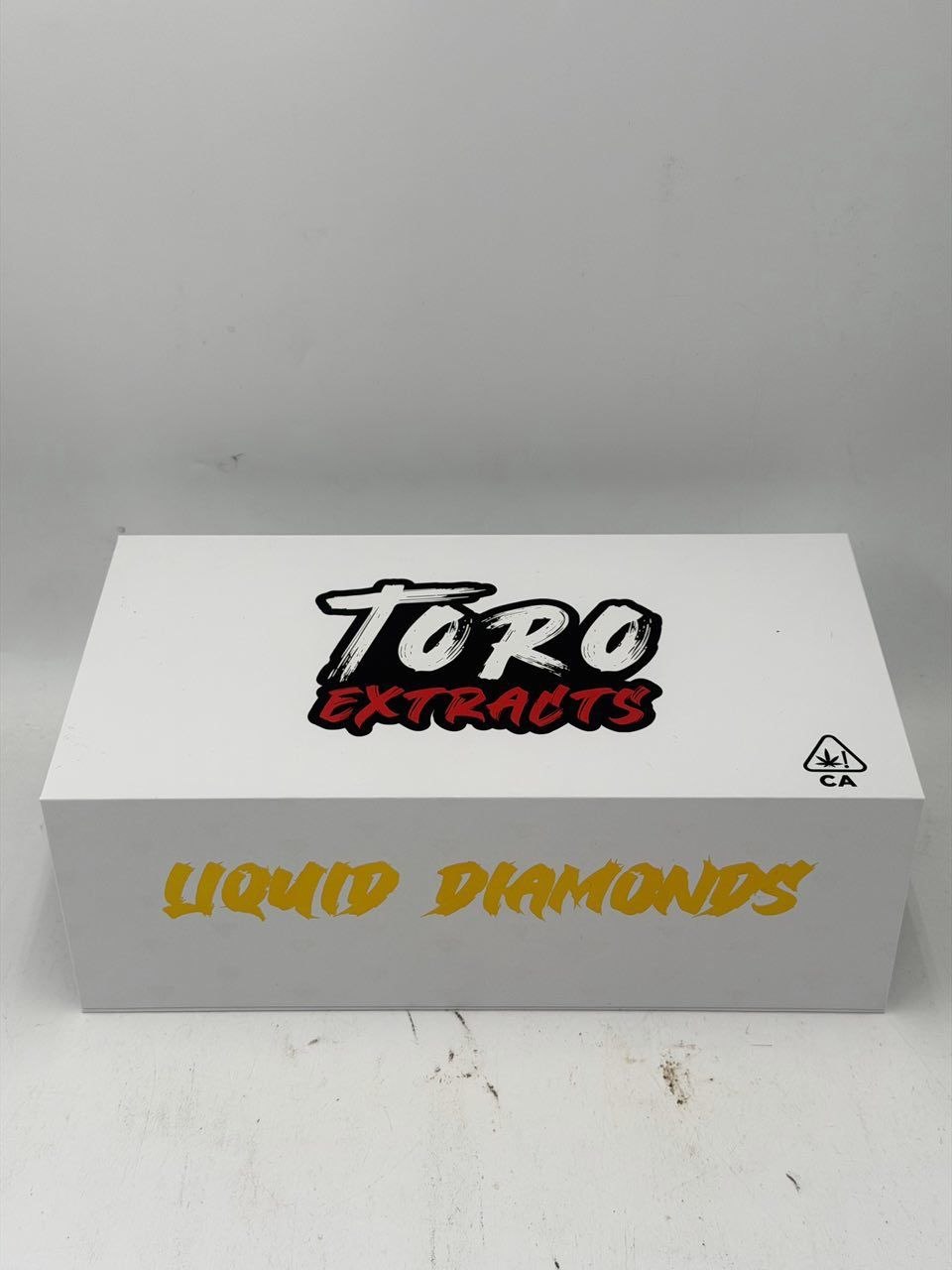
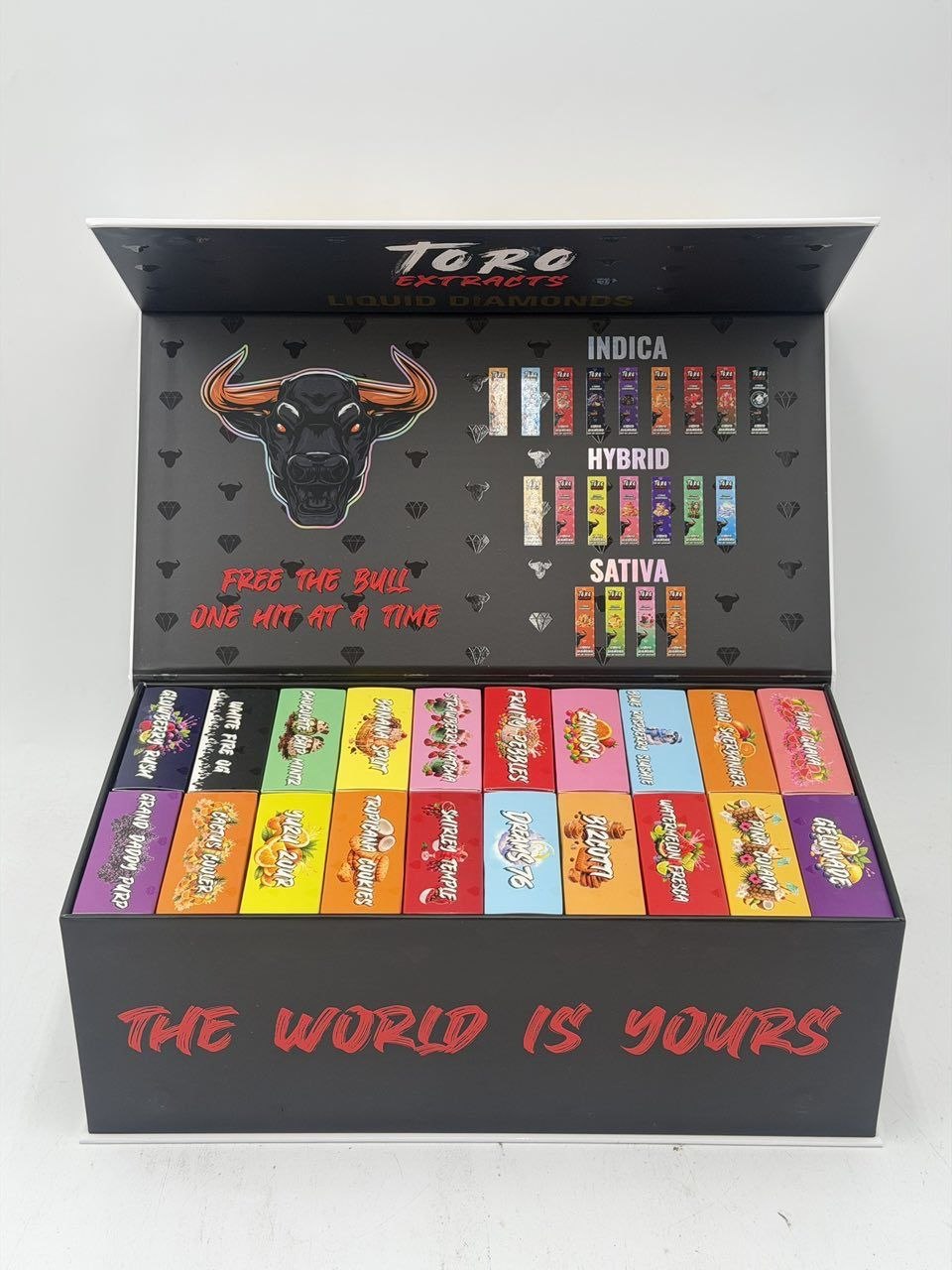
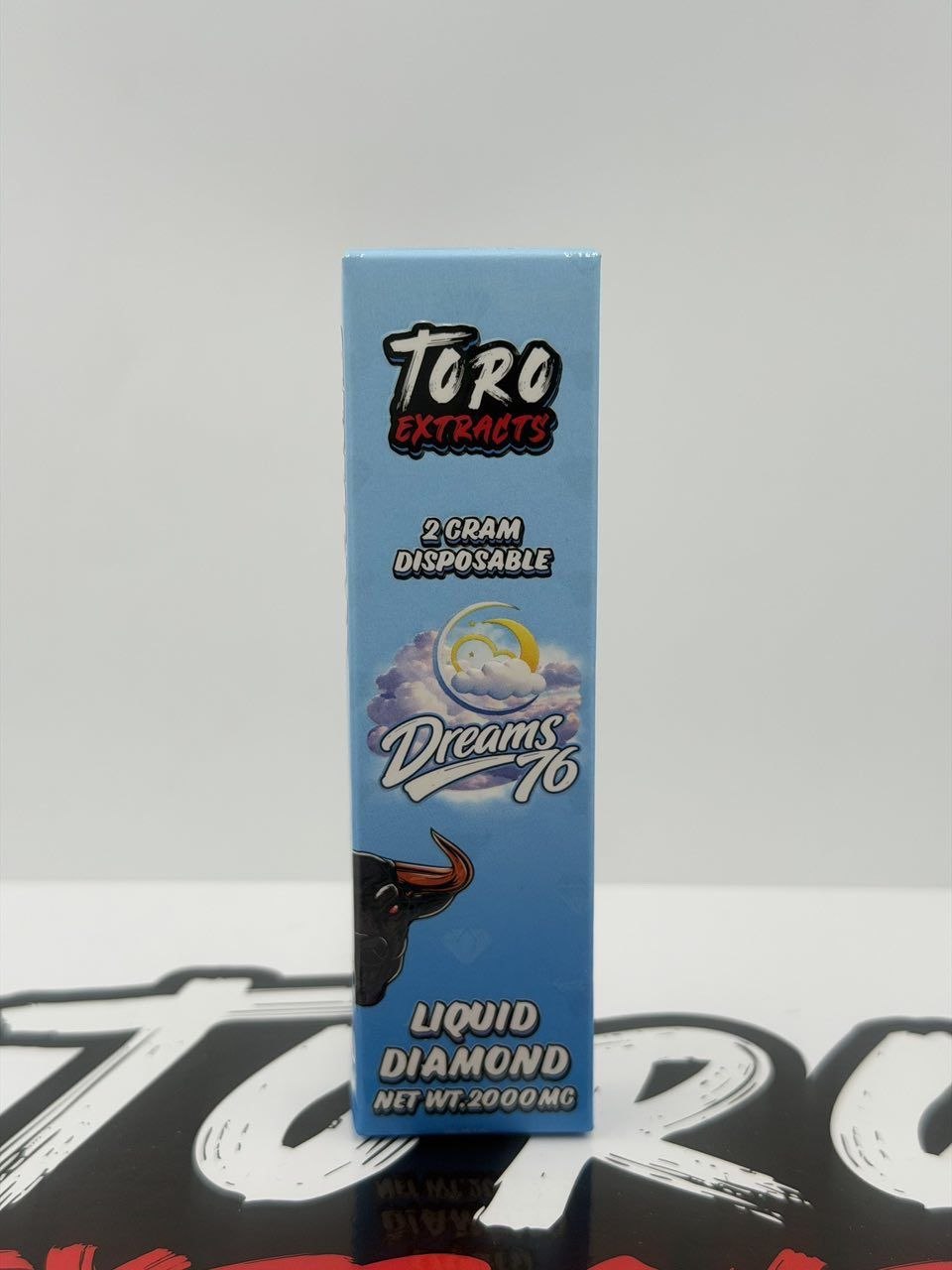
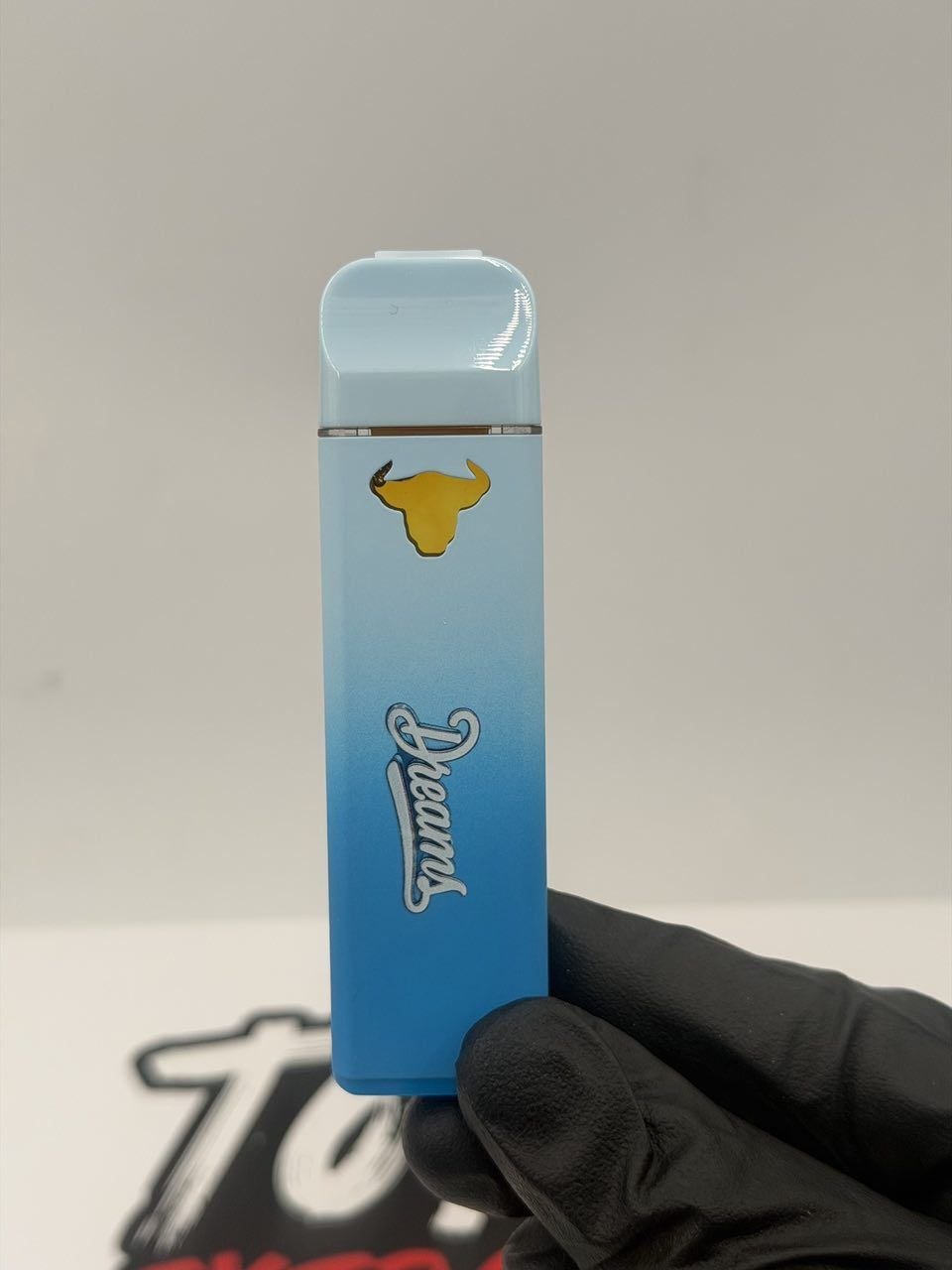
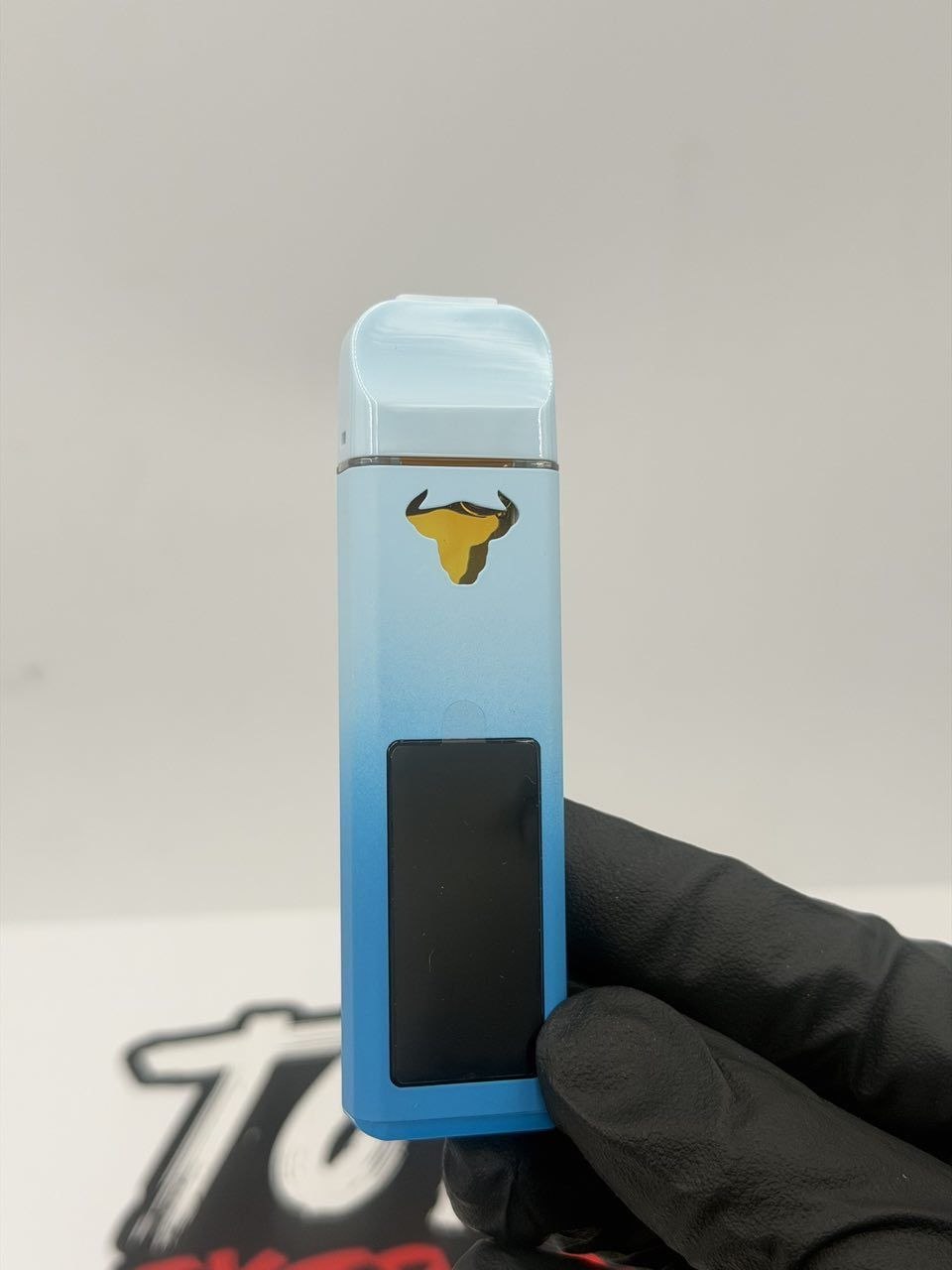

Toro Extracts 2G Disposable
Product Overview
The toro extracts 2g disposable is a cannabis vape product identified by its stated 2-gram capacity. It is designed as a self-contained disposable format, combining the concentrate or oil reservoir, heating system, mouthpiece, and battery within a single device. Because product formulations and hardware can vary by version and production batch, the exact specifications should always be confirmed from the physical packaging and applicable manufacturer documentation.
The “2G” designation refers to the stated capacity of the device. It should not be interpreted as meaning that the disposable contains two grams of THC or another specific cannabinoid. Capacity and potency are separate measurements, and the cannabinoid concentration should be obtained from the product label or corresponding laboratory documentation.
For retailers, an accurate listing should clearly distinguish verified specifications from general information about disposable vape products. For consumers, the packaging remains the most appropriate source for product-specific details.
Product Identification
The exact product name printed on the package should be used when documenting the Toro Extracts 2G Disposable.
A complete product record can include the brand, product name, net quantity, variant, flavor, cannabinoid profile, ingredients, batch number, manufacturer information, and laboratory documentation where available.
This information becomes particularly useful when several versions of a product are sold under similar names. By keeping each variant separate, retailers can reduce the possibility of applying the wrong specifications to an individual package.
Product identification should also account for packaging revisions. Manufacturers can update graphics, labeling, regulatory information, or hardware while retaining a familiar product name. Therefore, older photographs should not automatically be treated as definitive representations of current inventory.
Understanding the 2G Capacity
The 2G designation indicates the stated amount of material contained in the disposable.
However, capacity does not establish potency.
For example, two products can both have a stated 2-gram capacity while containing different cannabinoid concentrations. Similarly, two batches of the same product can have different laboratory results.
Consequently, a product description should list capacity separately from cannabinoid percentages.
The package should be consulted for the precise net quantity. If laboratory documentation is available, the corresponding batch report can provide additional information about cannabinoid content.
This distinction makes product information easier to understand and prevents capacity from being confused with potency.
Disposable Format
A disposable vape combines several components into one compact product.
The device can contain a reservoir for the formulation, a heating element, a battery, airflow components, and a mouthpiece. Depending on the specific model, activation can occur through inhalation or another manufacturer-specified mechanism.
The exact internal design should not be assumed without documentation.
Hardware configurations can change between product versions. Therefore, technical details should be taken from the current package or manufacturer information rather than copied from another disposable.
Formulation Information
The formulation should be documented using the product’s current packaging and available supporting information.
Depending on the particular Toro Extracts product, the label may identify cannabinoids, extract type, terpenes, ingredients, or other product characteristics.
A product’s name alone cannot establish its complete formulation.
Likewise, a flavor or strain name should not be treated as an ingredient list.
Where detailed formulation information matters, consumers should consult the product label and applicable laboratory documentation.
Cannabinoid Profile
Cannabinoid information should be presented separately from product capacity.
Cannabis formulations can contain cannabinoids such as THC, THCA, CBD, or other compounds, depending on the particular product and applicable regulations.
The precise concentration should be taken from the current package.
Where a certificate of analysis is available, its results should correspond to the relevant product and batch.
Third-party listings may provide useful reference information, but numerical potency claims should not be transferred from an unrelated product or production run.
Laboratory Documentation
A certificate of analysis can provide additional information about a cannabis product.
When such documentation is available, the report should be matched to the appropriate batch or lot number.
This connection is important because laboratory results are generally associated with a particular production sample or batch.
For example, a report for one flavor should not automatically be presented as the laboratory result for every flavor in a product line.
Likewise, an older report should not automatically be applied to newer inventory.
Batch-specific documentation therefore provides a stronger basis for technical product claims.
Batch and Lot Information
Batch and lot numbers can help establish product traceability.
Retailers should record these identifiers when receiving inventory where appropriate.
The information can then be associated with laboratory documentation, purchasing records, and the corresponding product listing.
When a new batch is received, the listing should be reviewed.
This process helps prevent outdated information from remaining attached to current inventory.
Flavor or Variant
The exact flavor or variant should be copied from the physical package.
A product name can sometimes be used across several variants, so the flavor designation provides an additional level of identification.
However, flavor terminology does not establish a product’s complete chemical composition.
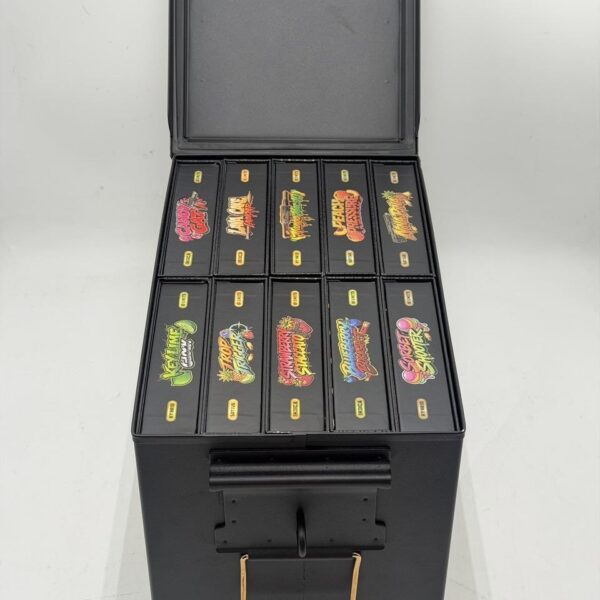
If multiple Toro Extracts variants are available, each should be represented with its own product information.
This approach also makes inventory management easier when different variants have different batch numbers or laboratory results.
Terpene Information
Terpenes are naturally occurring aromatic compounds found in cannabis and many other plants.
They contribute to the aroma and flavor characteristics associated with cannabis products.
If the Toro Extracts product includes documented terpene information, those details can be presented as part of the technical specification.
However, a flavor name should not be used to infer the concentration of individual terpenes.
Where laboratory results provide terpene percentages or profiles, the information should be associated with the appropriate batch.
Ingredients
Ingredient information should come directly from the current product label or reliable manufacturer documentation.
A product description should not create an ingredient list from assumptions based on the flavor name.
This distinction is especially important for consumers who need to identify specific ingredients.
When an ingredient is not confirmed, it is preferable to state that the information should be checked against the package rather than presenting an assumption as fact.
Packaging Information
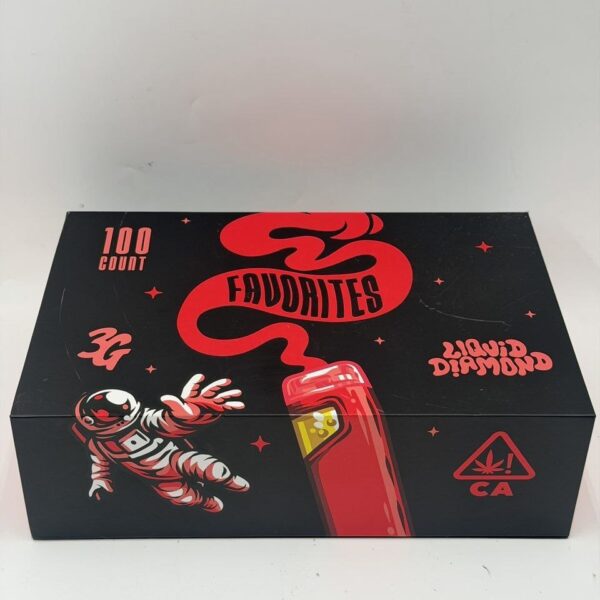
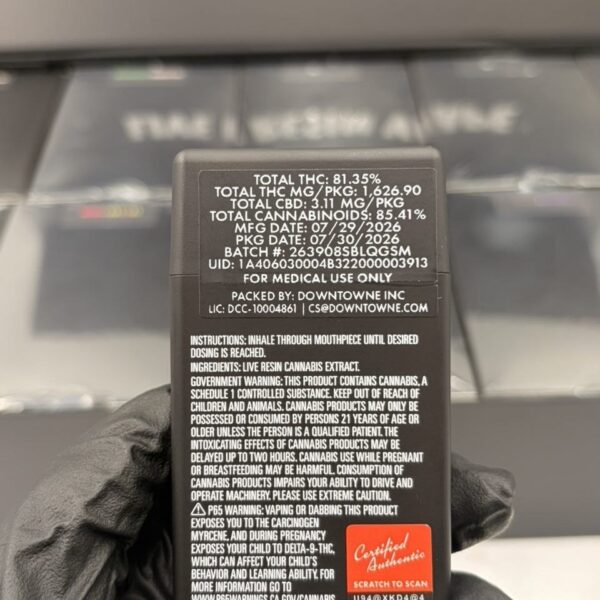
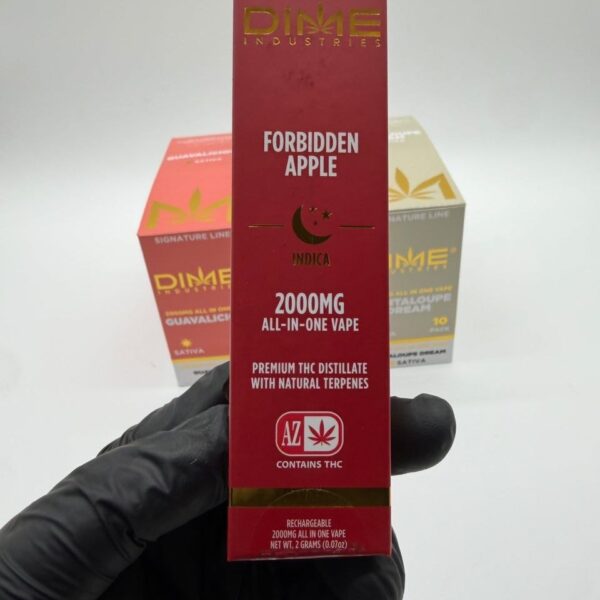
The packaging provides important information for identifying the product.
Depending on the market and applicable regulations, packaging can include:
- Brand name
- Product name
- Net quantity
- Variant or flavor
- Cannabinoid information
- Ingredients
- Batch or lot number
- Manufacturer information
- Testing information
- Warnings
- Regulatory markings
The exact labeling requirements vary by jurisdiction.
Therefore, product descriptions should avoid assuming that every package will contain identical regulatory language.
Packaging Revisions
Product packaging can change over time.
A manufacturer may revise artwork, typography, warning statements, regulatory information, or other elements while retaining the same product identity.
As a result, an older photograph may not perfectly match current inventory.
For online catalogs, current package photography should be updated whenever significant packaging changes occur.
Nevertheless, packaging appearance should be treated as a visual reference rather than definitive proof of authenticity.
Authenticity Considerations
Authenticity should be evaluated using multiple factors.
A product should not be considered genuine simply because its package resembles photographs found online.
A more complete assessment can include:
- Purchase source
- Manufacturer information
- Product identifiers
- Batch or lot number
- Packaging details
- Regulatory markings
- Laboratory documentation
- Applicable verification features
Where the manufacturer provides an official verification method, that process should be followed according to its instructions.
Consumers should obtain regulated cannabis products through authorized channels where required.
Product Source
The source of a product can contribute to traceability.
Authorized retailers may provide purchasing records and other documentation that can help establish product origin.
By contrast, products obtained through unidentified sources can be more difficult to verify.
Retailers should maintain appropriate purchasing and inventory records according to applicable requirements.
If the origin or authenticity of a product is uncertain, it should be investigated before being represented as verified.
Product Appearance
The appearance of a disposable can vary according to hardware version, production batch, packaging revision, and lighting conditions.
Colors can appear different in photographs than they do in person.
Similarly, changes in printing or exterior materials do not necessarily indicate that a product is counterfeit.
At the same time, significant inconsistencies should not be ignored.
Visual inspection should therefore be combined with product documentation rather than used independently.
Hardware Specifications
The exact hardware configuration should be confirmed for the Toro Extracts 2G Disposable being documented.
Potential specifications can include:
- Battery configuration
- Charging capability
- Activation method
- Heating element
- Reservoir configuration
- Airflow design
- Mouthpiece
- Indicator system
- Exterior construction
Not every version will necessarily use the same configuration.
For that reason, technical claims should only be included when they are supported by current product documentation.
Rechargeable Features
If the specific device is rechargeable, consumers should follow the charging instructions supplied with that product.
The appropriate charging interface should be confirmed from the packaging.
A damaged battery should not be charged.
Consumers should also avoid modifying, opening, puncturing, or replacing internal components without manufacturer authorization.
Battery Safety
Battery-containing disposable devices should be handled carefully.
Warning signs can include swelling, unusual heat, physical deformation, damaged charging components, or other abnormal behavior.
A device displaying these characteristics should not be used or charged.
Likewise, consumers should not attempt to dismantle the device to investigate a suspected internal problem.
Appropriate retailer or manufacturer guidance should be sought instead.
Mouthpiece and Exterior
The mouthpiece and exterior housing should remain physically intact.
Cracks, loose components, or other visible damage can indicate that the product requires inspection.
The device should not be deliberately altered.
Keeping the disposable in its original condition can also make it easier to identify the product and communicate with the retailer if a problem occurs.
Airflow and Heating
Disposable vape products use heating systems to warm the formulation.
Different models can employ different heating and airflow configurations.
Therefore, a product description should not claim a particular heating technology unless that specification has been confirmed.
Likewise, airflow characteristics should not be presented as guaranteed unless they are documented for the exact product version.
Product Condition
A new device should be inspected before use.
Potential concerns include:
- Damaged packaging
- Broken seals
- Cracked housing
- Leakage
- Unusual odor
- Swelling
- Excessive heat
- Loose components
- Signs of tampering
A questionable or damaged product should be set aside and referred to the appropriate retailer or manufacturer.
Storage
The device should be stored according to manufacturer instructions.
Excessive heat can affect electronic components and cannabis formulations.
Direct sunlight and moisture should also be avoided when the manufacturer recommends protection from these conditions.
The product should be kept securely away from children and pets.
Retaining the original packaging can preserve important product-identification and safety information.
Temperature and Product Condition
Temperature can influence the physical characteristics of cannabis formulations.
Warm conditions can make certain oils less viscous, while cooler conditions can make them thicker.
These changes do not necessarily indicate a product defect.
However, unusual changes in appearance, leakage, or package integrity should be investigated.
Manufacturer storage instructions should take priority over general storage assumptions.
Online Product Listings
A well-structured online listing should make important information easy to locate.
A useful specification section can include:
Brand: Toro Extracts
Product: 2G Disposable
Capacity: 2G, as stated on package
Variant: Verify from package
Flavor: Verify from package
Cannabinoid Profile: Verify from label or laboratory documentation
Ingredients: Verify from package
Batch/Lot: Package-specific
Testing: Batch-specific where available
Hardware: Verify for exact version
This format keeps factual specifications separate from general educational information.
Inventory Management
Retailers can improve accuracy by assigning structured records to each product.
For every incoming item, relevant fields can include product name, variant, weight, batch number, packaging version, and laboratory information.
This process becomes increasingly important when multiple variants share similar branding.
Regular inventory reviews can identify outdated information and reduce listing errors.
Updating Product Information
Product pages should be reviewed when new inventory arrives.
Changes can occur between production batches.
For example, packaging may be revised, laboratory results may differ, or a hardware component may be updated.
Therefore, information from a previous batch should not automatically be carried forward.
Current documentation should take priority.
Responsible Product Descriptions
A product description should focus on verifiable information.
Claims about guaranteed effects, experiences, or performance should be avoided because individual responses can vary.
Instead, a reliable listing can explain what is known about the product’s capacity, formulation, variant, packaging, and documentation.
This approach creates a clearer distinction between objective product information and subjective expectations.
Legal Considerations
Cannabis laws differ between jurisdictions.
Requirements can apply to purchase, possession, age restrictions, labeling, packaging, transportation, and permitted product categories.
Retailers should follow the regulations applicable to their market.
Consumers should also verify the laws that apply to their location before purchasing, possessing, transporting, or using cannabis products.
Transportation
Cannabis transportation rules can vary substantially.
Additional restrictions can apply when crossing state, provincial, or national borders.
Consumers should verify the applicable requirements before transporting cannabis products.
Legal possession in one jurisdiction does not necessarily authorize transportation into another.
Children and Pets
Cannabis products should be stored securely away from children and pets.
Accidental exposure can create health risks and may require professional assistance.
The original packaging should be retained where practical because it can contain important warnings and product-identification information.
Disposal
Disposable vape products can contain batteries and electronic components.
They should therefore be disposed of according to applicable local requirements.
Where battery or electronic-waste collection programs exist, those procedures should be followed.
The device should not be dismantled merely for disposal.
toro extracts 2g disposable toro extracts 2g disposable toro extracts 2g disposable toro extracts 2g disposable toro extracts 2g disposable toro extracts 2g disposable toro extracts 2g disposable toro extracts 2g disposable toro extracts 2g disposable toro extracts 2g disposable toro extracts 2g disposable
Frequently Asked Questions
What does “2G” mean?
It refers to the stated capacity of the disposable. It does not mean that the device contains two grams of THC.
Does capacity determine potency?
No. Capacity and cannabinoid concentration are separate specifications.
How should cannabinoid concentration be verified?
The current product label or corresponding batch-specific laboratory documentation should be consulted.
Does a flavor name identify the ingredients?
No. Ingredient information should come from the package or reliable manufacturer documentation.
Can product photographs prove authenticity?
No. Photographs can help with visual identification but cannot independently verify authenticity.
Why is batch information useful?
A batch number can help connect a physical product with production and laboratory documentation.
Can laboratory results from another batch be used?
They should not automatically be applied to a different batch.
Can hardware specifications change?
Yes. Product versions and production runs can use different hardware configurations.
What should be done if the device is damaged?
It should not be used or modified. The appropriate retailer or manufacturer should be contacted for guidance.
How should the disposable be stored?
Follow manufacturer instructions and protect the device from excessive heat, moisture, direct sunlight, physical damage, children, and pets.
toro extracts 2g disposable toro extracts 2g disposable toro extracts 2g disposable toro extracts 2g disposable toro extracts 2g disposable toro extracts 2g disposable toro extracts 2g disposable toro extracts 2g disposable toro extracts 2g disposable toro extracts 2g disposable toro extracts 2g disposable toro extracts 2g disposable toro extracts 2g disposable toro extracts 2g disposable toro extracts 2g disposable toro extracts 2g disposable
Final Summary
The Toro Extracts 2G Disposable is a cannabis vape product identified by its stated 2-gram capacity and disposable format.
The 2G designation describes capacity rather than cannabinoid potency. Exact cannabinoid concentrations should therefore be obtained from the current product label or corresponding laboratory documentation.
The exact flavor, variant, formulation, ingredients, hardware configuration, and batch information should also be verified from the individual package.
A reliable product listing should distinguish general information about disposable cannabis products from specifications that have been confirmed for the particular Toro Extracts device.
Batch traceability can provide additional value when laboratory documentation is available. Testing information should correspond to the exact product and relevant production batch.
Packaging is also useful for identification, although appearance alone cannot establish authenticity. Product source, manufacturer information, batch identifiers, regulatory markings, and applicable verification methods can provide additional context.
Hardware specifications should likewise be confirmed rather than inferred from photographs or descriptions of other devices.
For retailers, structured inventory records can help maintain accurate product pages as new batches arrive. For consumers, retaining the original packaging can preserve important product and safety information.
The device should be stored and handled according to manufacturer instructions. Battery-containing hardware should not be opened, punctured, modified, or used when it shows signs of damage.
Cannabis products containing intoxicating cannabinoids can affect judgment, attention, coordination, and reaction time. Consumers should avoid driving or operating machinery while impaired and should follow applicable age, purchase, possession, transportation, and use requirements.






Reviews
There are no reviews yet.