


PolkaDot Mushroom Belgian Chocolate
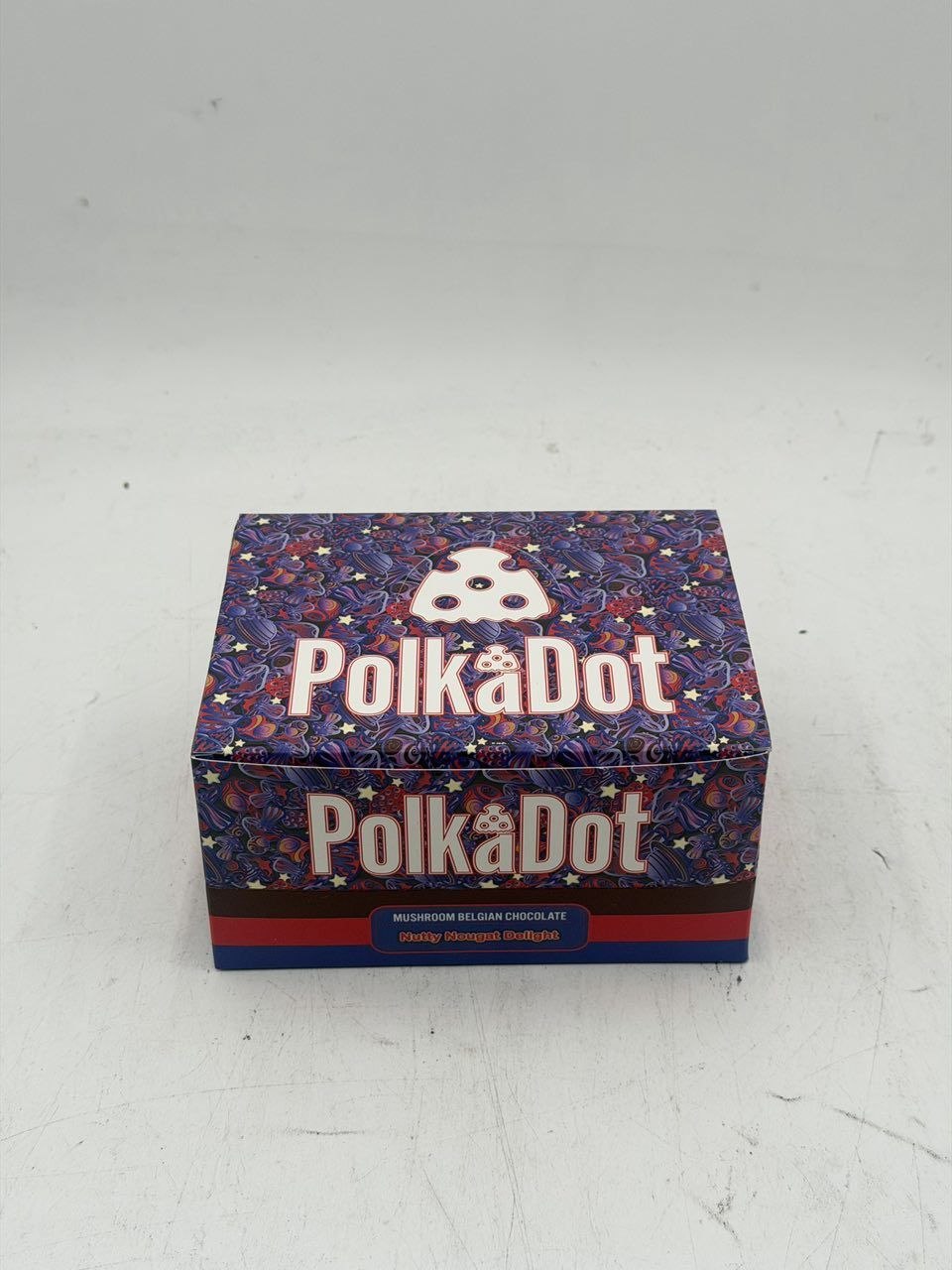
polkadot mushroom belgian chocolate refers to mushroom-infused chocolate products sold under the PolkaDot name. The exact ingredients and formulation can vary by product and market, so buyers should check the packaging, ingredient list, manufacturer information, and applicable laboratory documentation before relying on any particular description.
The product combines chocolate with mushroom-derived ingredients, creating a format that resembles a conventional chocolate bar while incorporating additional botanical or mushroom ingredients. Some products marketed under the PolkaDot name are described as using functional mushrooms such as Lion’s Mane, Reishi, Cordyceps, and Turkey Tail.
Belgian-style chocolate provides the confectionery component, while the mushroom ingredient is incorporated into the formulation. Depending on the particular bar, the chocolate may be presented in different flavors and formats.
Because products using the PolkaDot name are not necessarily identical, do not assume that a particular bar contains psilocybin, functional mushrooms, or any other active ingredient unless that information is verified on the actual packaging and through reliable testing documentation.
For a product listing, useful information should include the exact product name, chocolate type, ingredients, net weight, serving information, manufacturer or distributor, batch information, laboratory testing where available, storage instructions, age restrictions, and applicable legal requirements.
PolkaDot Mushroom Belgian Chocolate
PolkaDot Mushroom Belgian Chocolate is a product category associated with chocolate bars that combine chocolate confectionery with mushroom-derived ingredients. Products sold under similar names can differ considerably in formulation, ingredients, serving size, and intended use. Therefore, the specific packaging and manufacturer information should always be checked before making assumptions about the contents of any individual bar.
Chocolate provides the familiar confectionery base, while mushroom ingredients may be incorporated into the formulation in powdered, extracted, or otherwise processed forms. Depending on the particular product, the mushrooms may be presented as functional mushroom ingredients or may be marketed in connection with psychoactive mushrooms. These categories should not be treated as interchangeable.
For this reason, an accurate product description should focus on verifiable information rather than making unsupported claims about effects, potency, or ingredients.
Chocolate and Mushroom Combination
The defining characteristic of this product category is the combination of chocolate and mushroom-derived ingredients. Chocolate can provide a rich, sweet base, while mushroom ingredients introduce an additional component to the formulation.
Belgian chocolate is generally associated with carefully processed cocoa and confectionery production. However, the term “Belgian chocolate” alone does not establish the exact cocoa percentage, ingredients, manufacturing location, or quality level of a particular product. Those details should be confirmed from the product label.
Similarly, the word “mushroom” does not identify a single ingredient. Numerous mushroom species are used in food products, supplements, and other formulations. Lion’s Mane, Reishi, Cordyceps, and Turkey Tail, for example, are different mushrooms with different characteristics. Other products may contain mushroom-derived compounds that require separate verification.
Consequently, customers should review the complete ingredient list rather than relying solely on the product name.
Product Identification
Product identification is particularly important when purchasing mushroom chocolate. Similar names and packaging can be used by different sellers, and products may be offered in different markets.
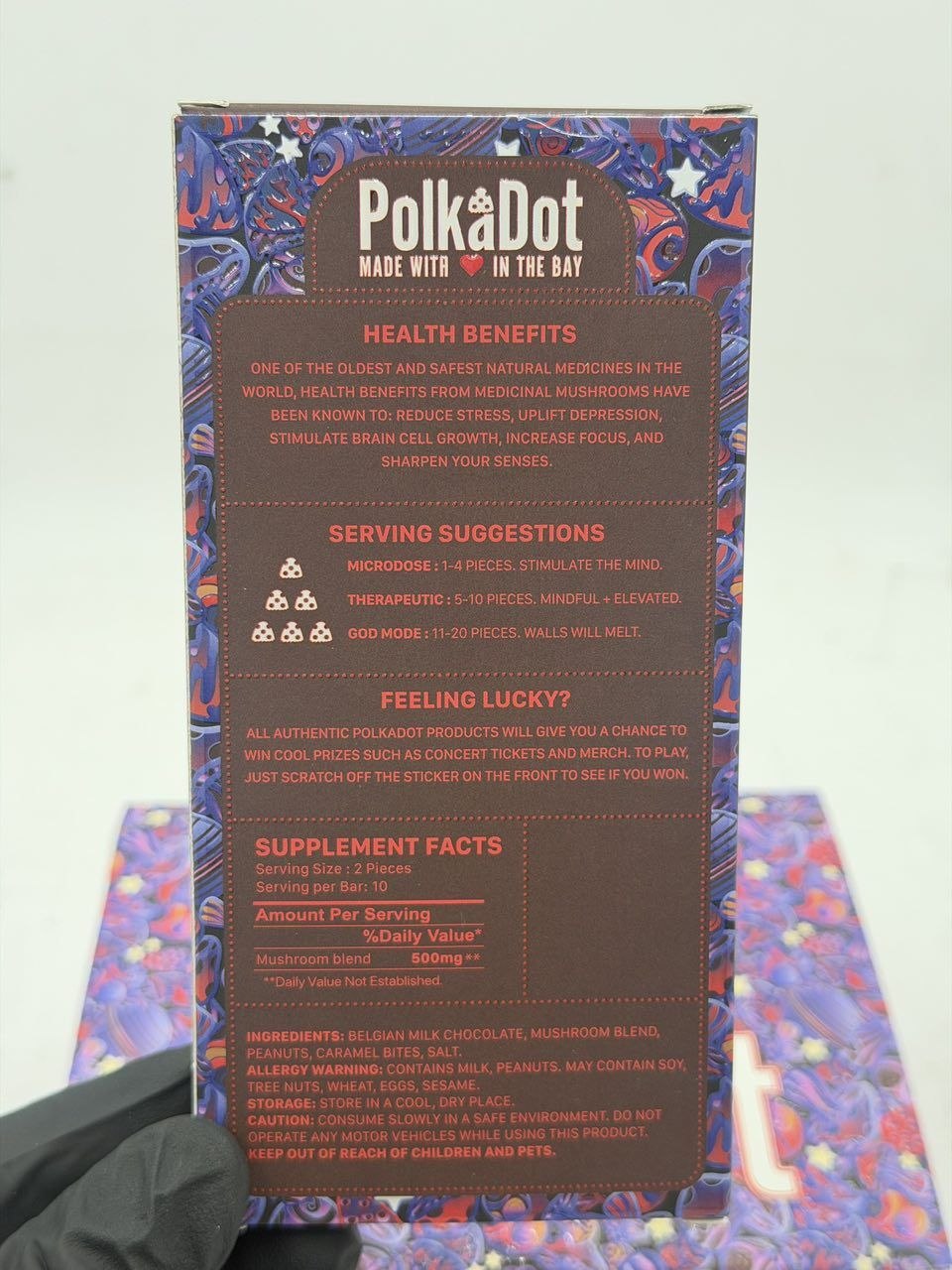
A complete product listing should ideally identify the manufacturer or responsible distributor, product name, flavor, net weight, ingredients, batch or lot number, expiration or best-before information, and storage instructions.
Where laboratory testing is claimed, the relevant certificate or report should be associated with the specific batch whenever possible. A generic laboratory statement that does not identify the tested product or batch provides less useful information.
This approach helps buyers distinguish between verified product information and marketing descriptions.
Ingredient Information
Ingredients should be one of the first things customers examine when considering a mushroom chocolate product.
The chocolate component may contain ingredients such as cocoa solids, cocoa butter, sugar, milk ingredients, emulsifiers, flavorings, or other confectionery components. Exact ingredients vary between products.
The mushroom component may also vary. Some formulations use whole mushroom powder, while others use extracts or blends. The species, concentration, extraction method, and quantity can influence the characteristics of the finished product.
Additionally, people with food allergies should pay particular attention to allergen information. Chocolate products may contain or be manufactured around milk, soy, nuts, wheat, or other allergens depending on the facility and formulation.
The packaging should therefore be treated as the primary source for ingredient and allergen information.
Understanding Functional Mushrooms
Some mushroom chocolates are marketed using the concept of functional mushrooms. This generally refers to mushrooms that are incorporated into foods or supplements for their nutritional or traditional-use characteristics.
Lion’s Mane, Reishi, Cordyceps, and Turkey Tail are examples frequently encountered in functional mushroom products.
However, the presence of a mushroom ingredient does not automatically establish a particular health benefit. The amount present, preparation method, product formulation, and available scientific evidence all matter.
Therefore, product descriptions should avoid presenting broad health claims as established facts unless those claims are supported by appropriate evidence and comply with applicable advertising regulations.
Different Products Under Similar Names
One of the most important considerations with PolkaDot-branded mushroom chocolate is product variation.
A product purchased from one seller may not necessarily have the same formulation as a product purchased elsewhere using a similar name or appearance. Packaging, ingredients, labeling, and claimed contents should therefore be checked carefully.
This is particularly important for products described using terms such as “mushroom,” “magic mushroom,” “functional mushroom,” or “psychedelic.” Those terms can refer to substantially different substances.
A responsible product description should never assume that all products carrying the same general branding contain identical ingredients.
Belgian Chocolate Component
Chocolate quality depends on several factors, including cocoa ingredients, sugar content, processing, formulation, storage, and manufacturing practices.
Belgian-style chocolate products can range from highly cocoa-forward dark chocolate to sweeter milk or white chocolate formulations. The specific type should be identified on the packaging.
Texture can also vary. Depending on the recipe, a mushroom chocolate bar may have a smooth, creamy consistency or contain visible or detectable particulate ingredients.
Storage can influence the chocolate’s appearance and texture. Excessive heat can cause melting, while fluctuations in temperature may affect the surface appearance. Proper storage according to the manufacturer’s instructions can help preserve the intended characteristics of the product.
Flavor and Texture
Mushroom chocolate products are generally designed to combine the familiar flavor of chocolate with mushroom-derived ingredients.
The resulting flavor depends on the mushroom species, processing method, chocolate type, sweetener, flavorings, and concentration of mushroom material.
Some mushroom ingredients can have earthy or bitter characteristics. Chocolate formulations may therefore use sweetness or additional flavors to create a more balanced sensory profile.
Texture can also vary according to whether the mushroom ingredient is incorporated as a fine powder, extract, or another preparation.
Because formulations differ, customers should not assume that every product carrying the PolkaDot name will taste or feel the same.
Packaging and Product Information
Packaging serves an important role in identifying the contents of a mushroom chocolate product.
A properly labeled package should provide information relevant to the consumer, such as ingredients, net quantity, manufacturer or distributor details, batch identification, storage conditions, and applicable warnings.
Where required by law, packaging may also provide nutritional information, allergen declarations, age restrictions, or other consumer notices.
Customers should be cautious when a product lacks basic identification information. Missing manufacturer details, unclear ingredients, absent batch information, or unusually vague labeling can make it difficult to establish what the product actually contains.
Laboratory Testing
Laboratory testing can provide additional information about the composition of certain mushroom products.
When testing is available, consumers should look for documentation that identifies the product or batch tested and specifies what substances were analyzed.
For products that may contain psychoactive compounds, testing can be especially relevant because appearance alone cannot establish chemical composition.
A laboratory report should be interpreted carefully. Testing for one substance does not necessarily establish the absence of every other substance. Likewise, a test performed on one batch does not automatically prove the composition of another batch.
Therefore, batch-specific documentation is generally more informative than broad marketing claims.
Storage Recommendations
Chocolate products can be sensitive to temperature, moisture, light, and handling.
The manufacturer’s storage instructions should take priority. In general, chocolate is commonly stored in a cool, dry environment away from direct sunlight and excessive heat.
Improper storage can affect texture and appearance. Chocolate may develop surface changes, soften, melt, or become otherwise less appealing when exposed to unfavorable conditions.
Mushroom ingredients may also have specific storage requirements depending on their formulation. Therefore, the product label should be consulted before establishing a storage routine.
Food Allergens
Allergen information should always be reviewed before consuming any mushroom chocolate product.
Chocolate formulations may contain milk or milk derivatives, soy, nuts, or other ingredients that can be relevant to people with allergies or dietary restrictions.
Cross-contact can also occur during manufacturing if a facility processes multiple types of food.
For this reason, consumers with serious allergies should consult the manufacturer’s allergen statement rather than relying on assumptions based on the product name.
Responsible Product Information
An accurate product description should distinguish clearly between what is known and what has not been independently verified.
For example, a listing can state that a package identifies Lion’s Mane as an ingredient if that information is printed on the package. However, it should not claim that the product produces a specific physiological or psychological effect unless there is adequate evidence and the claim is legally permissible.
Likewise, a seller should not describe a chocolate bar as containing psilocybin merely because the product is marketed as a “mushroom” chocolate.
Product descriptions should reflect the actual formulation.
Legal Considerations
Mushroom products can be subject to different legal requirements depending on their ingredients and the country or region where they are sold.
Functional mushroom foods and products containing controlled psychoactive substances may be regulated very differently.
polkadot mushroom belgian chocolate polkadot mushroom belgian chocolate polkadot mushroom belgian chocolate polkadot mushroom belgian chocolate polkadot mushroom belgian chocolate polkadot mushroom belgian chocolate polkadot mushroom belgian chocolate polkadot mushroom belgian chocolate polkadot mushroom belgian chocolate polkadot mushroom belgian chocolate polkadot mushroom belgian chocolate polkadot mushroom belgian chocolate polkadot mushroom belgian chocolate.
The legal status of a particular ingredient can also change between jurisdictions. A product that is permitted in one location may be restricted or prohibited in another.
Consequently, sellers and consumers should check the applicable laws before purchasing, importing, advertising, distributing, or consuming mushroom products.
Purchasing Considerations
When evaluating a PolkaDot Mushroom Belgian Chocolate product, customers can consider several pieces of information.
First, verify the exact product name and manufacturer. Next, review the complete ingredient list and allergen information. The net weight and serving information should also be checked.
Where relevant, buyers should look for batch identification and laboratory documentation. Packaging should be intact, and the product should be stored according to the manufacturer’s instructions.
Customers should also consider whether the product is legally available in their location.
These steps provide a more reliable basis for evaluating a product than packaging appearance or informal claims.
Product Authenticity
Brand-name food and specialty products can sometimes be imitated or sold through unauthorized channels. Packaging alone may not always provide enough evidence of authenticity.
Where possible, consumers should purchase from established and legally authorized sellers. Product information should be consistent across the packaging, seller information, and manufacturer’s documentation.
Unusually vague descriptions, missing ingredient information, inconsistent labeling, or claims that cannot be verified should be treated cautiously.
Quality and Transparency
Transparency is an important characteristic of a responsible mushroom chocolate product.
Customers benefit when manufacturers provide clear ingredient information, accurate net weight, batch identification, appropriate warnings, and accessible contact information.
Similarly, sellers should avoid adding unsupported claims to product listings.
A transparent product description does not need to exaggerate. Instead, it can explain what the product is, what ingredients are listed, how it should be stored, and what information customers should verify before purchasing.
Nutritional Information
Chocolate products can contain meaningful amounts of sugar, fat, carbohydrates, and calories. Exact nutritional values vary according to the chocolate formulation and serving size.
Customers who monitor their nutritional intake should consult the nutrition panel on the specific package.
The mushroom component does not automatically make a chocolate product nutritionally equivalent to a mushroom supplement or whole-food mushroom product. The complete formulation should be considered.
Product Handling
Proper handling can help preserve product quality. Packaging should remain sealed until the product is ready to be used, particularly when the manufacturer recommends protection from moisture or temperature changes.
Chocolate should also be handled carefully to prevent unnecessary melting or contamination.
If the package appears damaged, improperly sealed, or significantly altered, customers should consult the seller or manufacturer before using the product.
A Clear Product Listing
A strong online product listing for PolkaDot Mushroom Belgian Chocolate should provide factual information in a clear structure.
The opening section can identify the product and its general characteristics. The following sections can describe the chocolate formulation, mushroom ingredients, package information, storage, allergens, and verification considerations.
This format makes it easier for customers to find the information they need without relying on exaggerated claims.
Furthermore, clear headings and concise paragraphs improve readability on mobile devices and desktop screens.
Frequently Asked Questions
What is PolkaDot Mushroom Belgian Chocolate?
It refers to chocolate products associated with the PolkaDot name that contain or are marketed with mushroom-derived ingredients. Exact formulations vary, so the individual package should be checked.
Does every PolkaDot mushroom chocolate contain the same mushrooms?
Not necessarily. Products and formulations can differ. The ingredient list on the specific package should be used to identify the contents.
Is Belgian chocolate the same as a specific mushroom ingredient?
No. Belgian chocolate describes the chocolate component or style, while the mushroom ingredient is a separate part of the formulation.
How should mushroom chocolate be stored?
Follow the manufacturer’s storage instructions. Chocolate products are generally sensitive to excessive heat and moisture.
Should the ingredient list be checked?
Yes. The ingredient list, allergen information, net weight, manufacturer details, and other package information are important when evaluating any specialty food product.
Can the legality vary by location?
Yes. Mushroom-derived products can be subject to different laws depending on their ingredients and the jurisdiction.
polkadot mushroom belgian chocolate polkadot mushroom belgian chocolate polkadot mushroom belgian chocolate polkadot mushroom belgian chocolate polkadot mushroom belgian chocolate polkadot mushroom belgian chocolate polkadot mushroom belgian chocolate polkadot mushroom belgian chocolate polkadot mushroom belgian chocolate polkadot mushroom belgian chocolate polkadot mushroom belgian chocolate polkadot mushroom belgian chocolate polkadot mushroom belgian chocolate polkadot mushroom belgian chocolate polkadot mushroom belgian chocolate polkadot mushroom belgian chocolate.
Final Overview
PolkaDot Mushroom Belgian Chocolate is best understood as a category of mushroom-associated chocolate products rather than as a single universally standardized formulation.
The combination of chocolate and mushroom-derived ingredients creates a distinctive product format, but the exact characteristics depend on the individual product. Ingredients, mushroom species, concentrations, chocolate type, serving information, packaging, and laboratory testing can all differ.
Therefore, accurate product identification is essential. Customers should examine the actual package, verify the ingredient list, review its labeling satisfies applicable requirements. Where the product may contain controlled or psychoactive substances, allergen information, check manufacturer details, and consider any available batch-specific laboratory documentation.
Sellers should likewise ensure that product descriptions accurately reflect the product being offered. Unsupported claims about ingredients, potency, health benefits, or effects should be avoided.
Ultimately, the most useful product information is clear, specific, and verifiable. A well-prepared listing can describe the chocolate component, mushroom ingredients, package characteristics, storage requirements, and relevant purchasing considerations without overstating what the product does.
Before purchasing or distributing any mushroom chocolate product, consumers and businesses should also confirm that the product is legally permitted in their location and that its labeling satisfies applicable requirements. Where the product may contain controlled or psychoactive substances, additional legal and safety considerations may apply.






Reviews
There are no reviews yet.